
CONVERSATIONS /Books / FILM & TELEVISION
Ilyasah Shabazz Is Reclaiming the Humanity of Malcolm X
Ilyasah Shabazz Is Reclaiming the Humanity of Malcolm X
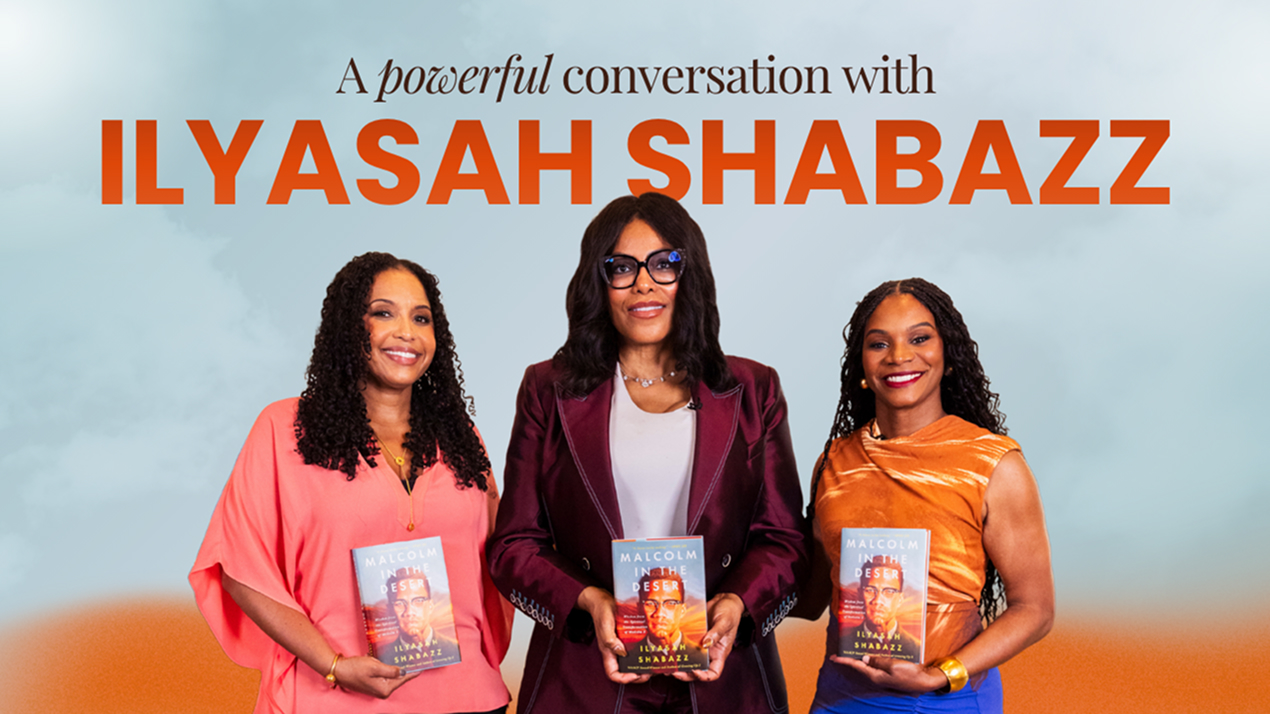
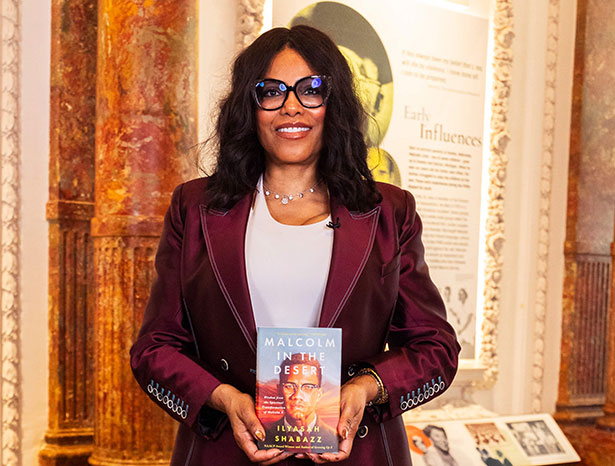
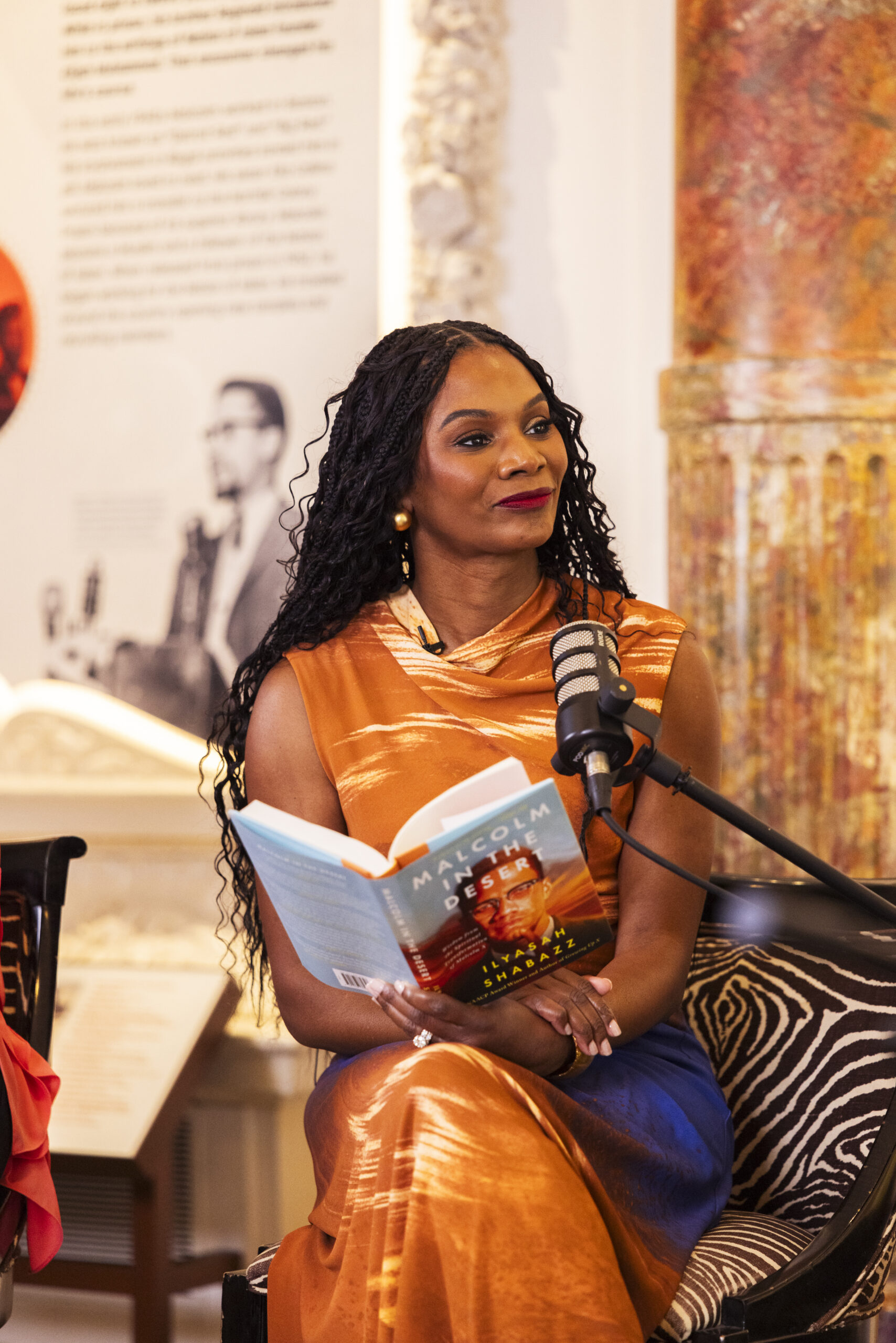
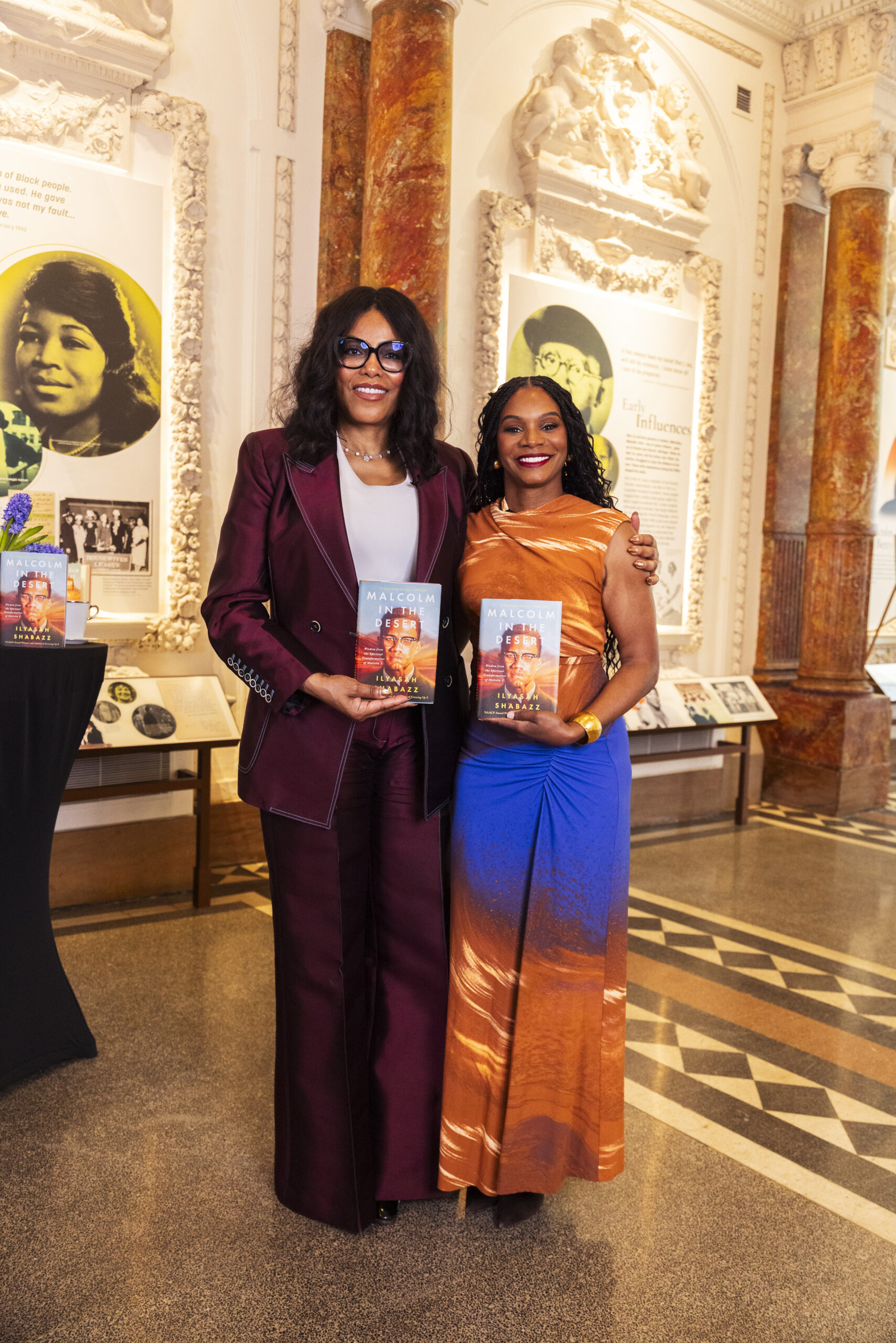
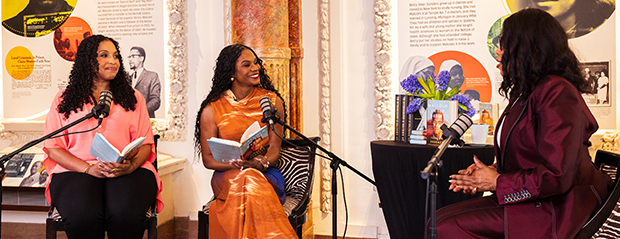
Dr. Ilyasah Shabazz joins Storehouse & Friends inside the historic Shabazz Center to discuss Malcolm in the Desert: Wisdom from the Spiritual Transformation of Malcolm X, her father’s pilgrimage to Mecca, the humanity behind an icon and the extraordinary life of Dr. Betty Shabazz.
Storehouse & Friends | September 26 | 9 min read
SHARE
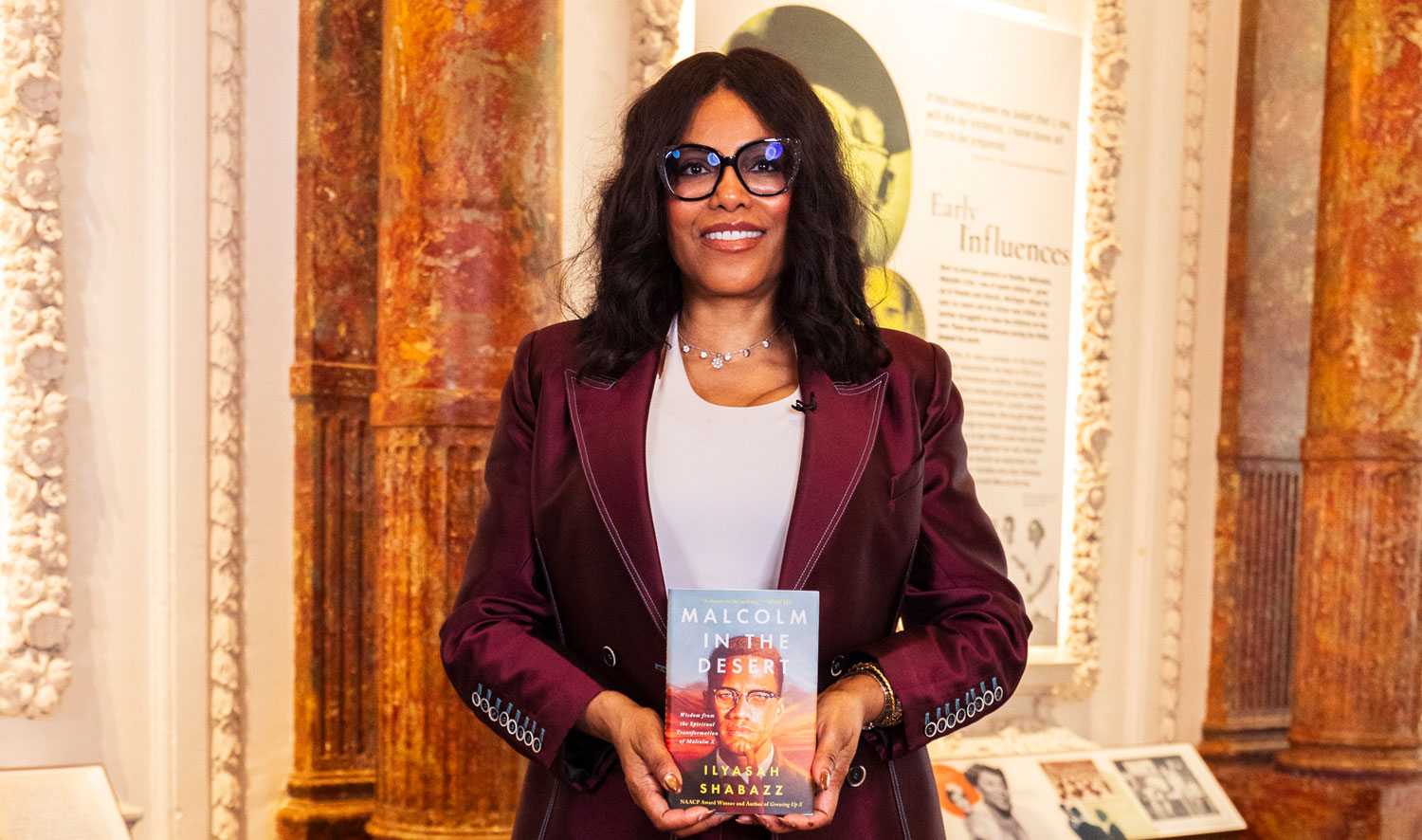
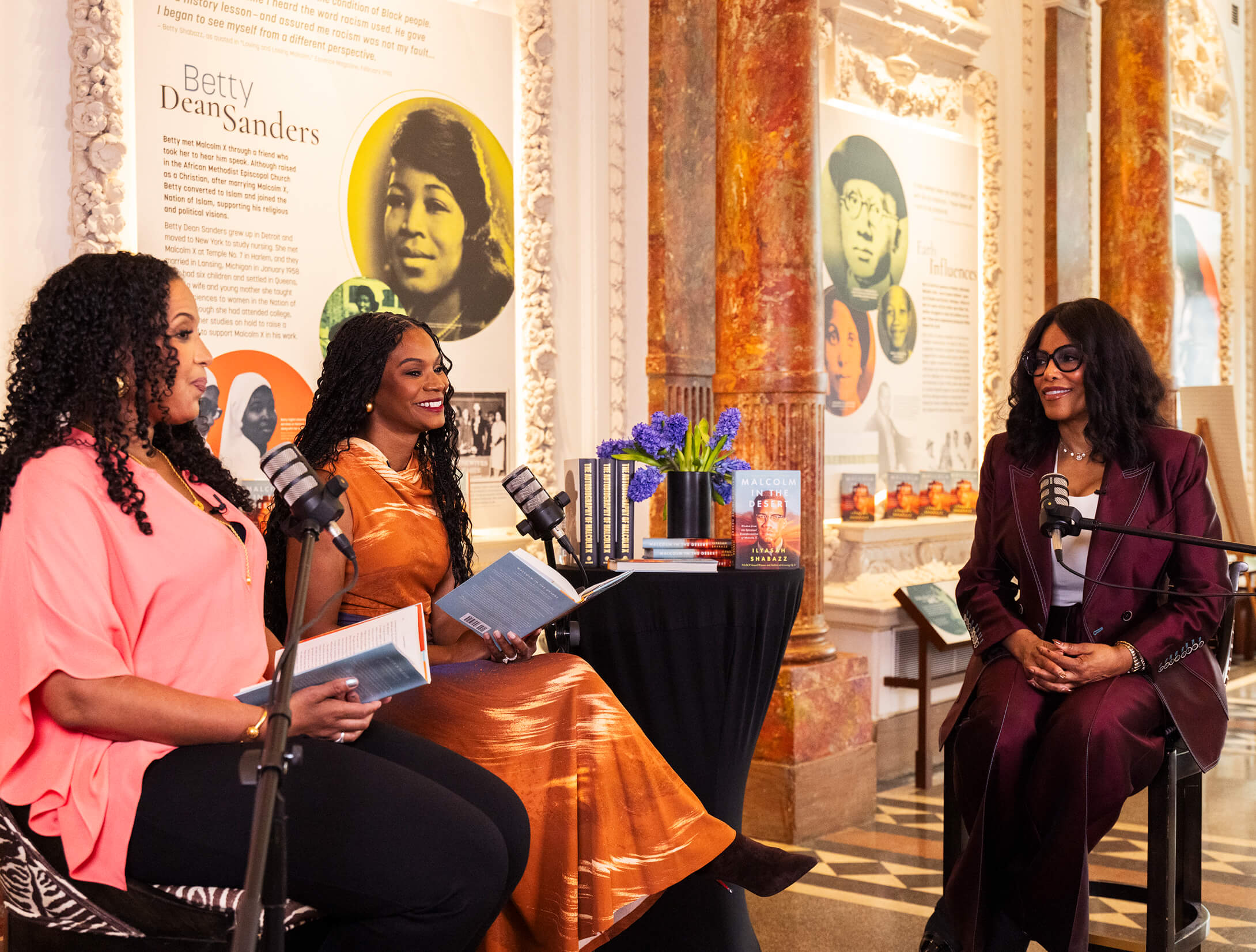
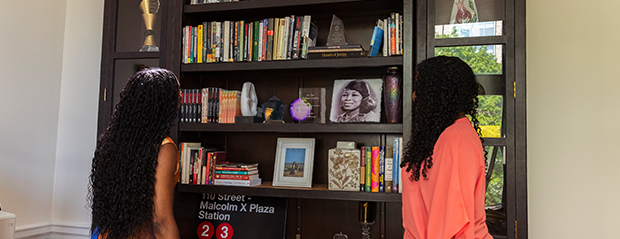
Dr. Ilyasah Shabazz speaks with Storehouse & Friends inside the Malcolm X & Dr. Betty Shabazz Memorial and Educational Center.
The Man Behind the Image
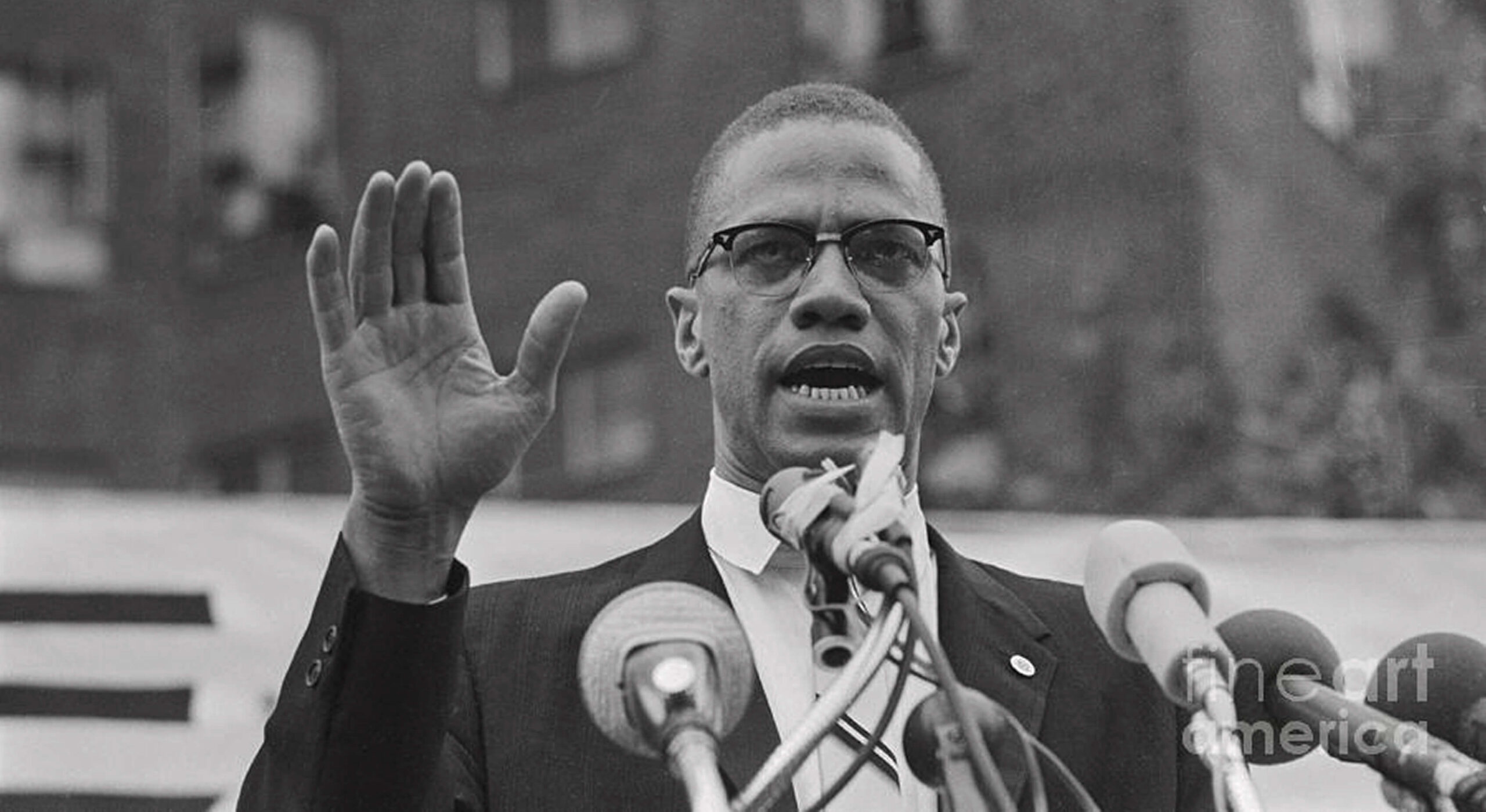
Malcolm X was 39 years old when he died. Shabazz now finds herself looking back at her father from an age he never reached. “I’m old enough to be his mother today,” she says. The realization has changed the way she sees him.
History can make public figures appear fully formed. Their speeches survive. Their photographs become iconic. Their ideas are examined decades after their deaths.
Age disappears. Vulnerability disappears with it. Shabazz repeatedly returns to how young her father actually was. He traveled alone.
He did not have an assistant. He did not have a cell phone. He carried enormous responsibilities while facing threats against himself and his family. When Shabazz read his diary, she found something the public image did not always reveal.
Loneliness. “I don’t think a lot of books have looked at his humanity,” she says. That humanity is important to her because she believes her father has frequently been flattened into the angriest version of himself. She pushes against the characterization of Malcolm X as simply a fiery man.
What people interpreted as anger, she says, often came from urgency. Children were being harmed. Churches were being bombed. Black people were being denied dignity.
He responded. For Shabazz, understanding the man requires understanding what he believed demanded a response. His public voice was not separate from his moral compass. It came from it.
“I don’t think a lot of books have looked at his humanity.”
-Dr. Ilyasah Shabazz
What Malcolm Found in the Desert
“I don’t think a lot of books have looked at his humanity.”
-Dr. Ilyasah Shabaz
Watch the conversation
The Malcolm X You Were Never Taught
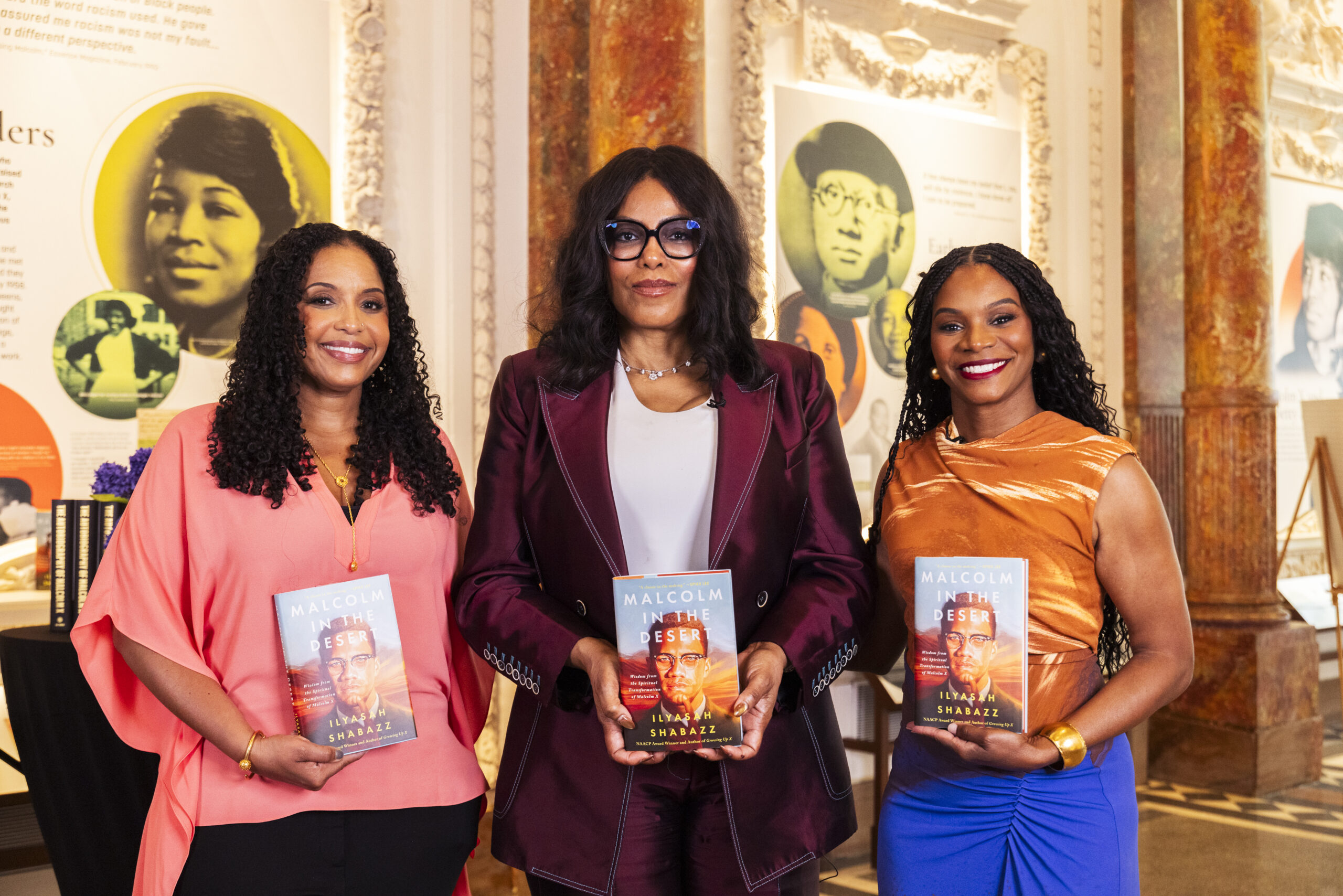
Tamira Chapman and Porscha Burke join Dr. Ilyasah Shabazz inside the historic Shabazz Center for a conversation about Malcolm X, Dr. Betty Shabazz, faith, family and the responsibilities of legacy.
MORE FROM STOREHOUSE &FRIENDS


The Malcolm X You Were Never Taught
11 MIN READ
The Malcolm X You Were Never Taught
11 MIN READ
By 1964, Shabazz describes her father as a man whose foundations had been shaken. He had devoted himself to building an organization. He had worked to create schools, temples, curriculum and economic structures. Then the principles and relationships that had shaped that work began to fracture.
There were also threats. Against him. Against his family. Against his children.
And then came the pilgrimage. Shabazz sees Malcolm’s journey to Mecca as more than an important episode in his biography. She sees it as a moment when a young man carrying extraordinary pressure was given space to sit with himself. To think.
To feel. To reconsider. Her father traveled to what she calls the land of the Quran, the Bible and the Torah and returned with an expanded belief in what human beings might be capable of together. She says he came back with faith that people across racial lines could confront injustice as “one brotherhood.”
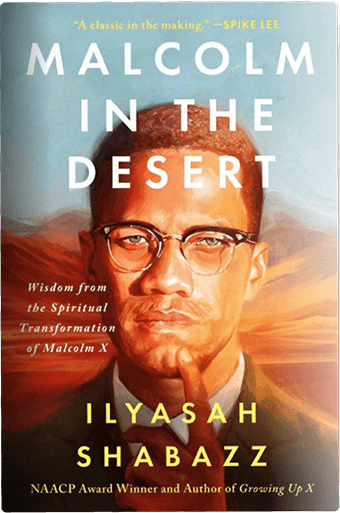
The transformation did not make him less committed. It deepened the way he understood that commitment. That is part of what Shabazz wants readers to encounter in Malcolm in the Desert. The book is not only an account of something her father experienced.
It asks the reader to undertake an examination of their own. How accountable am I? How loving am I? What is my responsibility to other people?
What does my humanity require of me? For Shabazz, spiritual development and public responsibility cannot be easily separated. Going inward matters because eventually, a person must decide how they will return to the world.
Watch the conversation
Ilyasah Shabazz on the Humanity of Malcolm X
Tamira Chapman and Porscha Burke join Dr. Ilyasah Shabazz inside the historic Shabazz Center for a conversation about Malcolm X, Dr. Betty Shabazz, faith, family and the responsibilities of legacy.
The Armor We Build to Survive
“I think to pray meant that you had to become vulnerable.”
-Dr. Ilyasah Shabazz
One of the most revealing questions in the conversation concerns prayer. Malcolm X once described praying as one of the hardest things he had ever done. Shabazz believes she understands why. She describes a childhood in which her father was encouraged by his parents to believe in himself before his world was violently disrupted.
His father was killed. His mother was institutionalized against her will. The family home was lost. The children were separated.
Then came racism, humiliation and the constant denial of dignity. “That’s a lot of pain,” Shabazz says. Surviving that pain required something. She calls it “false armor.”
The protection people construct when vulnerability feels dangerous. In her telling, Malcolm’s early life became partly a story of running from an identity that had once been rooted in family, values and purpose. Prison forced him to stop. There, Shabazz says, he had to confront what he had been avoiding and return to the values that had surrounded him before his family was torn apart.
Prayer required another surrender. “I think to pray meant that you had to become vulnerable,” she says. It meant facing the painful parts of his humanity instead of covering them. That idea extends beyond her father.
Shabazz speaks openly about her own periods of grief and depression. After the death of her mother, she continued working and functioning without initially recognizing what was happening inside her. A therapist told her that she had a tendency to intellectualize difficult experiences. She kept moving.
Then she read a book and began recognizing herself in its description of depression. She noticed how often she returned home and went to bed. She realized she was not as fine as she had told herself she was. So she began forcing herself up and out.
The lesson mirrors something she sees in her father’s transformation. Sometimes strength is not the ability to keep pain hidden. Sometimes strength begins when the armor comes off.
The Woman Who Built the Home
“This is the home that Betty built.”
-Dr. Ilyasah Shabazz
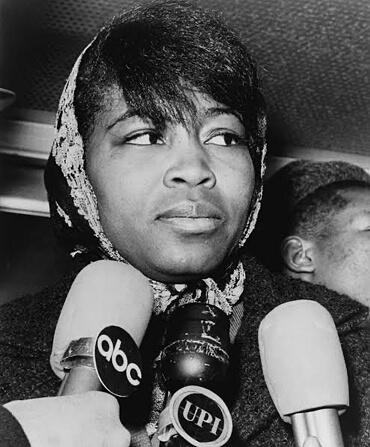
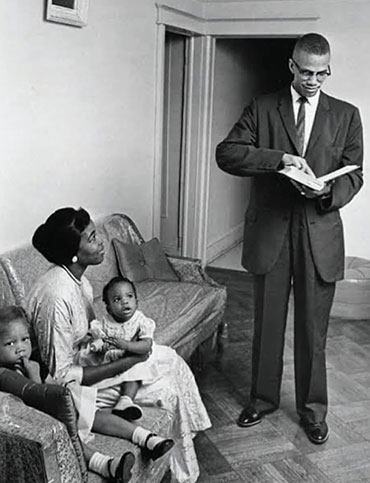
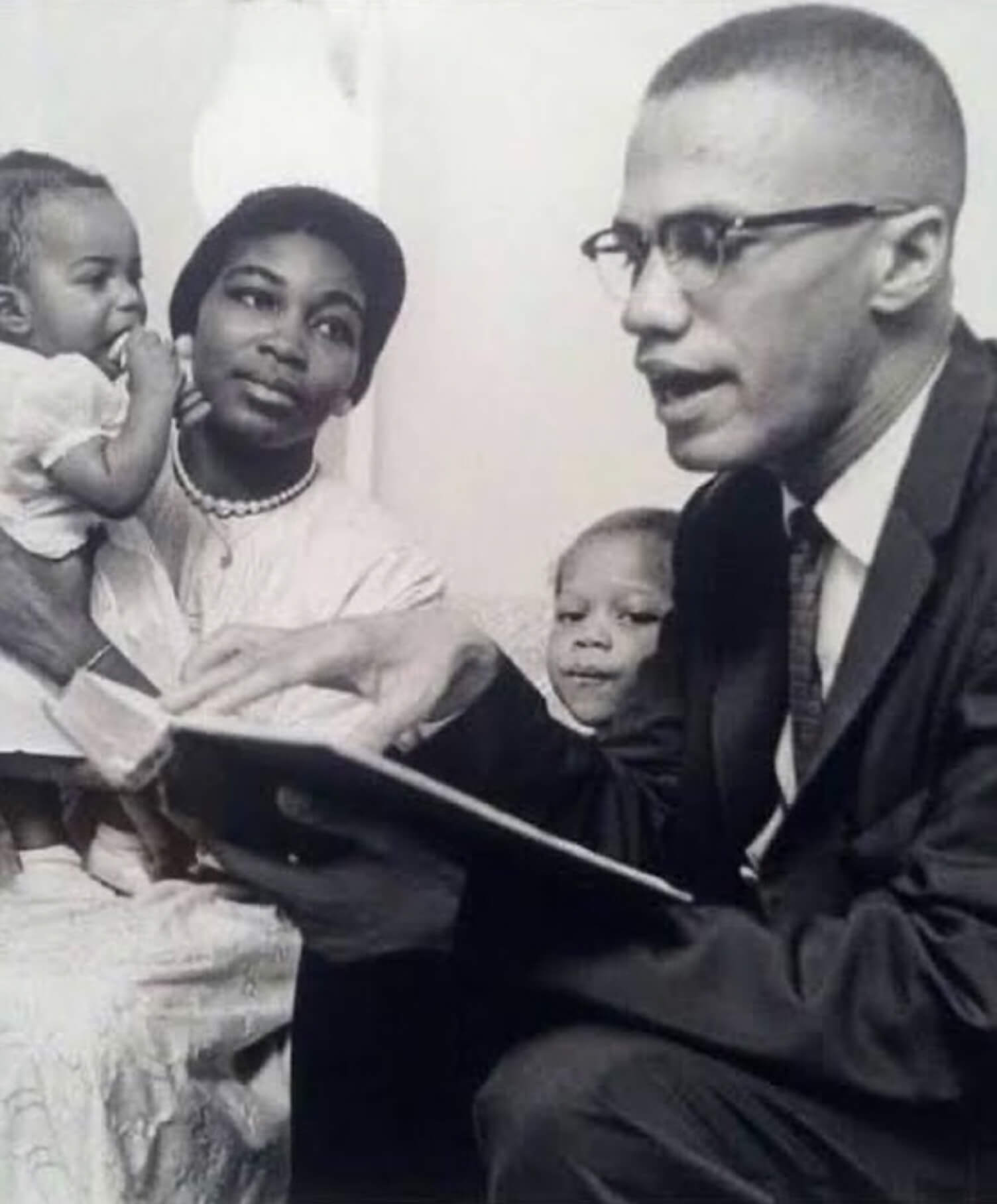
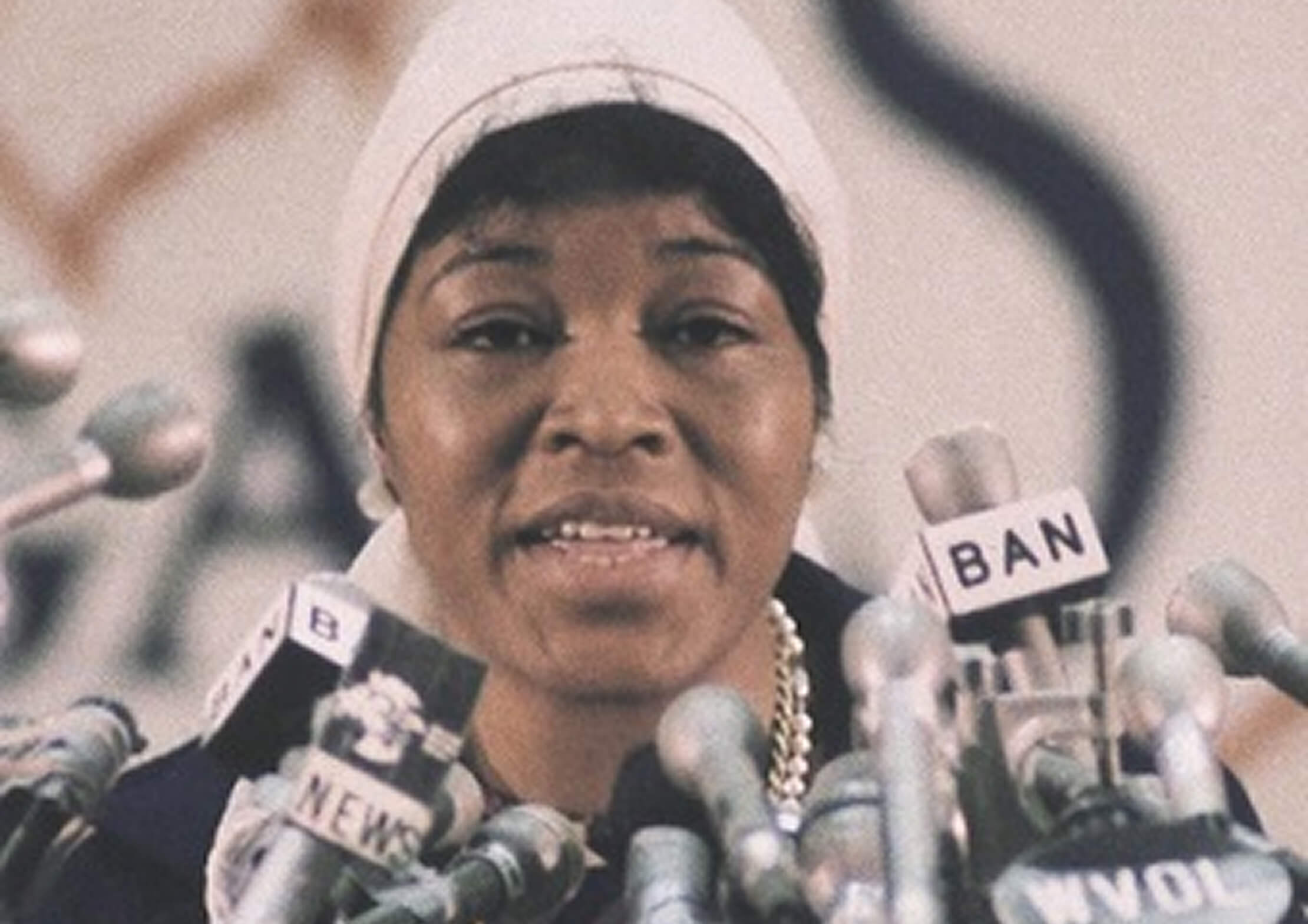
The story Shabazz tells about Malcolm X cannot be separated from Dr. Betty Shabazz. Her presence is everywhere in the conversation. It is also everywhere in the building where the conversation takes place.
“This is the home that Betty built,” Shabazz says. The phrase carries both literal and emotional meaning. The building held one of the most devastating events of Betty Shabazz’s life. Her husband was killed there.
But her daughter describes how she helped turn a place associated with tragedy into one devoted to education and possibility. At home, she did something similar. She raised six daughters while carrying grief Shabazz now understands must have been enormous. But she refused to build their childhood around despair.
There were private schools. Tutors. Music lessons. Piano.
Violin. African dance. Tap. Modern dance.
Lessons about women, Islam and the African diaspora. Shabazz remembers growing up “solid with who we are.” Only later did she begin recognizing what maintaining that world must have cost her mother. She remembers one small moment after graduating from college.
Betty had promised that when she graduated, she could have a car. When the day finally came, mother and daughter spent time completing everything necessary to purchase it. At one point, Shabazz turned around and caught her mother looking exhausted. Betty immediately straightened herself and smiled.
At the time, her daughter did not understand what she was seeing. Years later, she did. “Everything was a challenge,” Shabazz says. “But she didn’t show us.”
That strength did not come from pretending tragedy had never happened. It came from refusing to allow tragedy to become the only inheritance her daughters received.
LEGACY IS SOMETHING YOU DO
“This is not about Malcolm’s legacy. This is not about my legacy. This is about the work.”
Dr. Ilyasah Shabazz
What will you carry forward, and what will you finally change?
more from storehouse & friends
Style, Identity, and the Power of Self-Definition
11 MIN READ
Purpose, Love, Legacy & the Story She Had to Tell
11 MIN READ
explore all conversations