
CONVERSATIONS / culture / FILM & TELEVISION
Demond Martin Is Rethinking What It Means to Be Self-Made
Demond Martin Is Rethinking What It Means to Be Self-Made
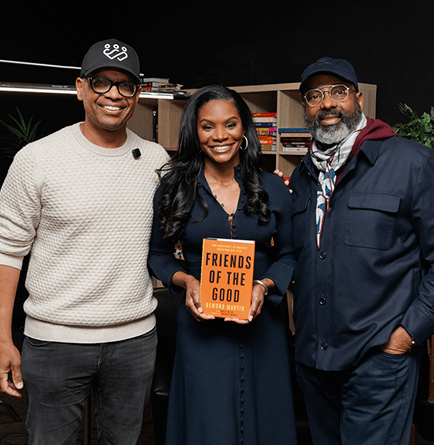
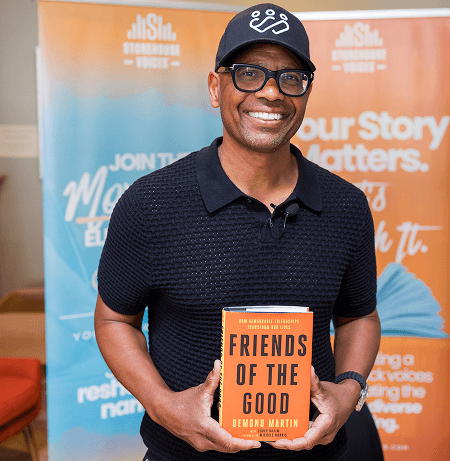
Demond Martin and longtime friend Richelieu Dennis join Storehouse & Friends to discuss Friends of the Good: How Remarkable Friendships Transform Our Lives, the people who shape who we become, the difference between connection and community, and why success was never meant to be built alone.
Storehouse & Friends | September 26 | 10 min read
SHARE
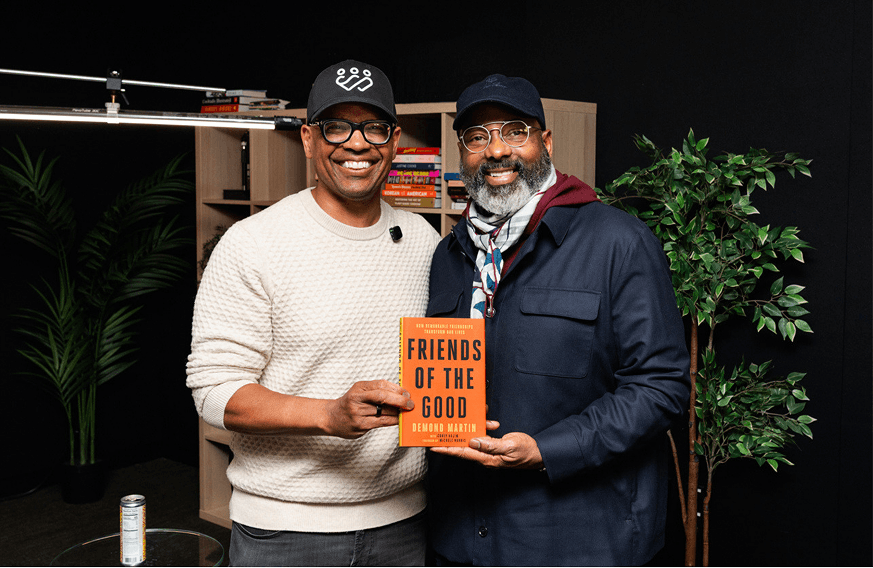
Longtime friends Demond Martin and Richelieu Dennis join Storehouse & Friends to discuss friendship, mentorship, community and the relationships behind success.
The entrepreneur who started with almost nothing. The leader who beat the odds. The person who worked hard enough, dreamed big enough and somehow built a life entirely on their own. Demond Martin does not believe that story.
His story begins somewhere else. “I am not self-made. I’m community built.” That idea sits at the center of Martin’s new book, Friends of the Good, and his intimate Storehouse & Friends conversation with entrepreneur and Sundial founder Richelieu Dennis.
Together, the longtime friends explore the relationships behind the accomplishments—the people who show up, tell us the truth, challenge us to think bigger and sometimes believe in what we can become before we can see it ourselves. For Martin, those relationships are not a footnote to success. They are part of how success happens. And at a time when people can be more connected online while still feeling deeply alone, his message feels especially timely.
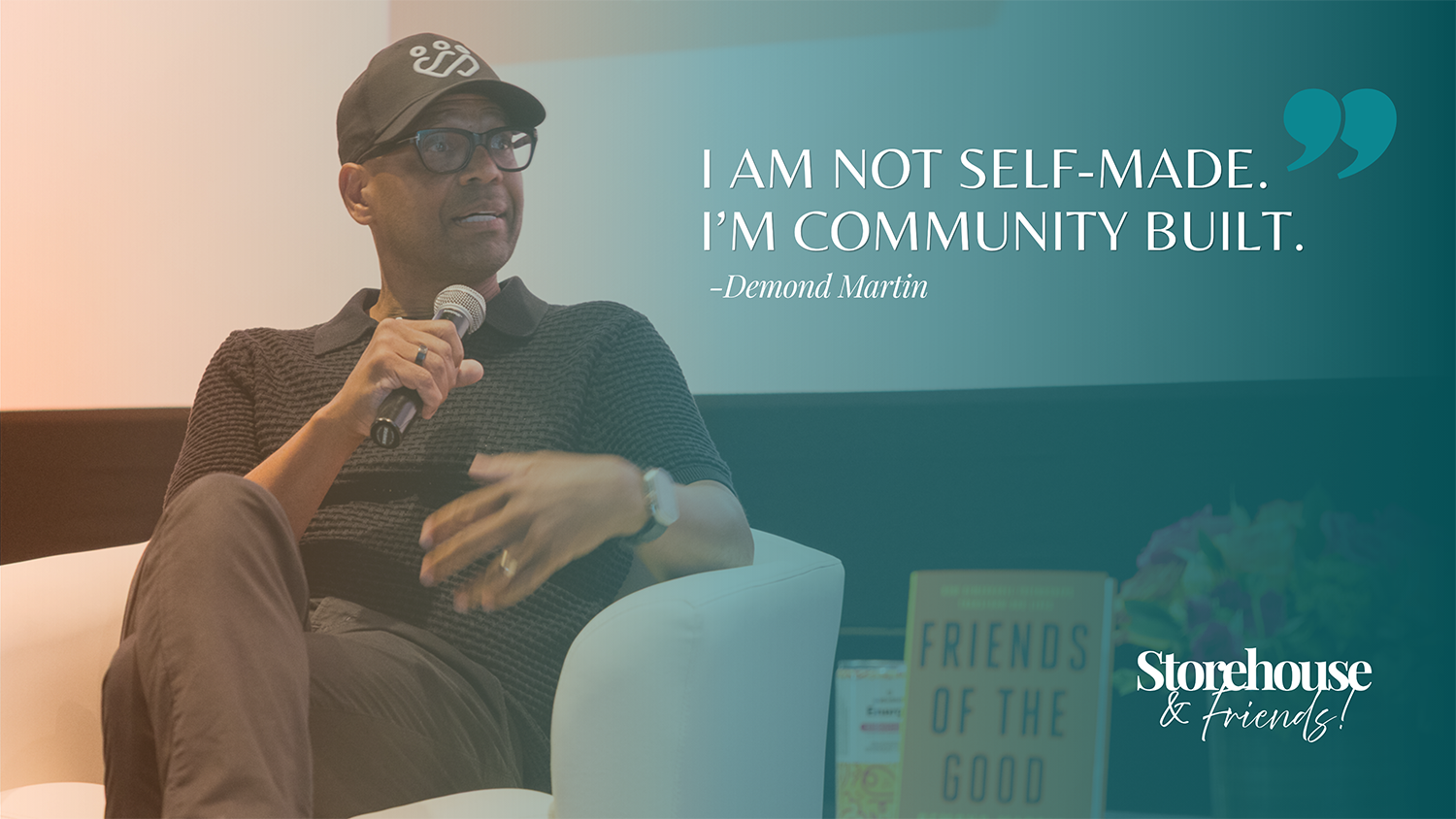
“I am not self-made. I’m community built.”
-Demond Martin
Nobody Gets There Alone
Martin’s rejection of the “self-made” label comes from looking honestly at his own life. At every stage, someone invested in him. There were family members who grounded him, mentors who opened doors, friends who challenged him and people who offered their time, knowledge and credibility when they did not have to. Dennis understands that experience.
Throughout their conversation, the two reflect on how easily successful people can tell their stories as if everything happened because of their individual determination. Hard work matters. Talent matters. Ambition matters.
But so do the people who make the phone call, offer the introduction, share what they know, make room at the table or simply show up when life gets difficult. Martin believes understanding that difference can be especially important for the next generation of entrepreneurs. If you believe you have to build everything alone, you may miss one of the greatest resources around you: other people.
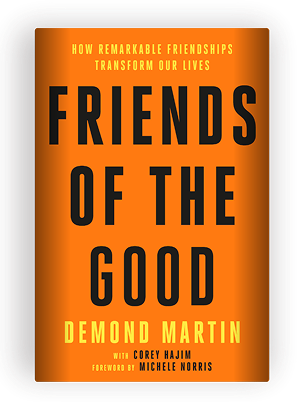
FRIENDS OF THE GOOD
How Remarkable Friendships Transform Our Lives
Demond Martin with Corey Hajim Foreword by Michele Norris
Storehouse Voices
“Having people see what is possible in you before you do, that’s grace.”
-Demond Martin
Watch the conversation
a conversation about Friends of the Good
Demond Martin and longtime friend Richelieu Dennis join Storehouse & Friends to discuss Friends of the Good: How Remarkable Friendships Transform Our Lives, the people who shape who we become, the difference between connection and community, and why success was never meant to be built alone.

MORE FROM STOREHOUSE &FRIENDS

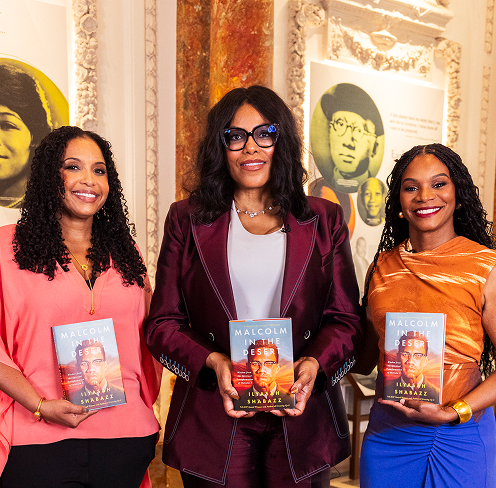
The Malcolm X You Were Never Taught
11 MIN READ


“Recognizing who helped you does not make the work less yours. it makes the story more complete.
-Storehouse Voices
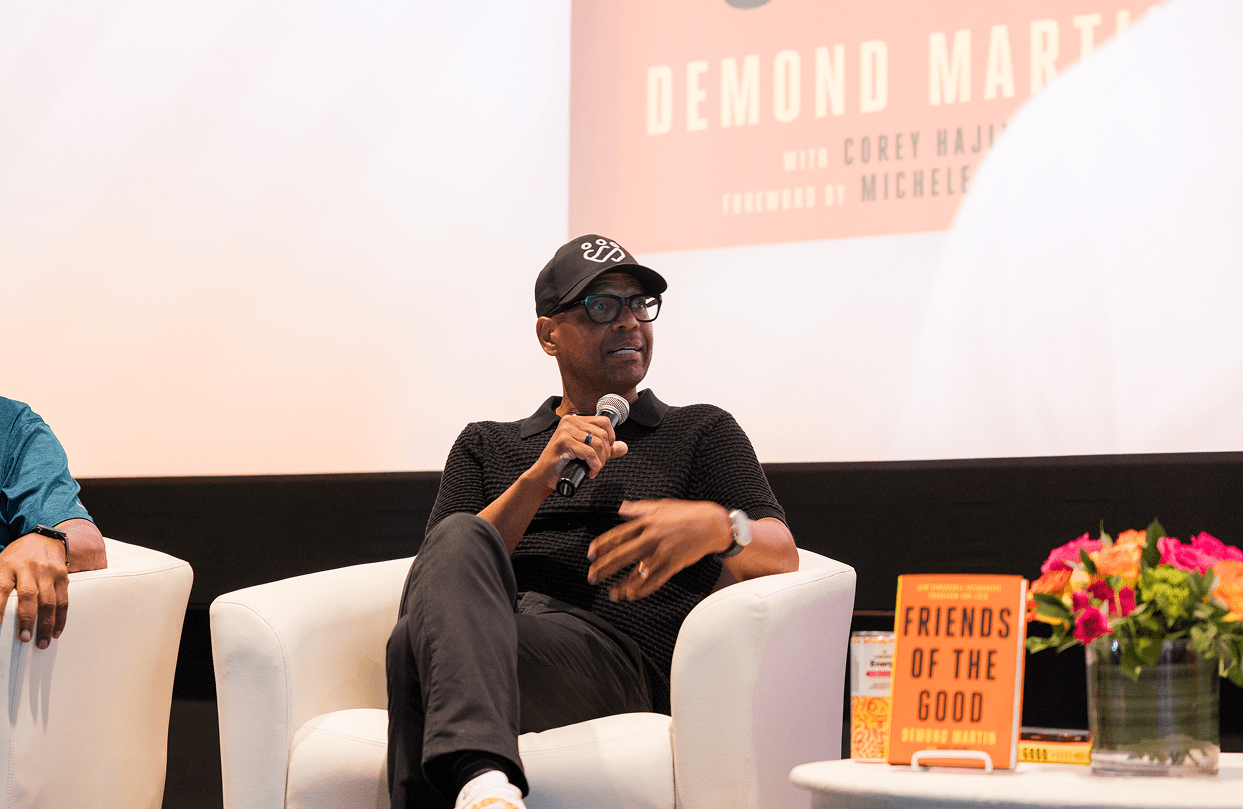
For Demond Martin, understanding success requires acknowledging the family, friends, mentors and sponsors who helped make it possible.
Watch the conversation
A Conversation About Friends Of The Good.
Demond Martin and longtime friend Richelieu Dennis join Storehouse & Friends to discuss Friends of the Good.

What Does a Real Friend Look Like?
Social media has made it possible to know what hundreds of people are doing without necessarily knowing how any of them are doing. Martin and Dennis make a clear distinction between having people around you and having genuine friendship. So how do you know when a friendship is real? For Martin, one answer is simple:
People show up. Dennis showing up for their Storehouse & Friends conversation becomes a small example of exactly what they mean. Both men have demanding lives and countless responsibilities. Making time for someone is
a choice.
But showing up is only part of it. Real friendship, they explain, also requires honesty. It requires people who can celebrate the win and still ask the harder question. People who can tell you when you are wrong. People who care enough about you to challenge you instead of simply agreeing with you.
Dennis describes valuing friends who push him because that pressure can help him grow. Martin calls it telling someone the truth with love. That kind of friendship may not always be comfortable. But comfort is not always the point.
Sometimes love looks like someone refusing to let you become too comfortable with the version of yourself you have already built
The people who see more in you
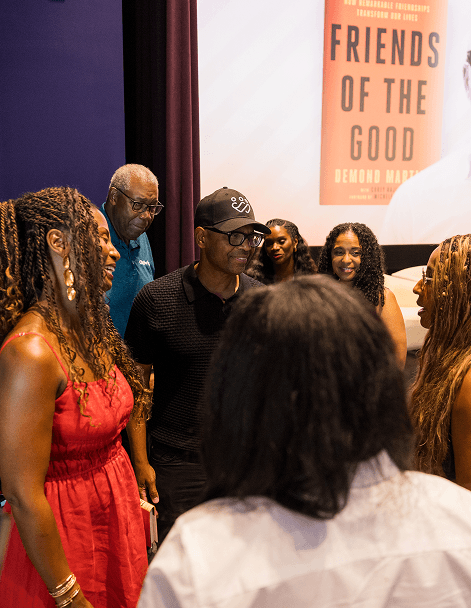
Some relationships change your life because another person sees something in you before you do. Martin knows that experience personally. During the conversation, he reflects on meeting Jim Cash while he was a college student. After hearing Cash speak, Martin was so moved that he chased him down at a cab stand, skipped his next class and spent roughly 45 minutes talking with him.
That conversation became the beginning of a lasting mentorship. Years later, Martin could bring Cash an idea he believed was already ambitious and hear a response that challenged him to go further: think bigger. There is something powerful about having someone with experience look at what you believe is your limit and see possibility beyond it. Dennis describes a similar value in surrounding yourself with people who are better at the things you hope to master.
Not because they need to give you instructions every day. Sometimes growth comes simply from proximity—watching how someone moves, how they think, what questions they ask and what standards they hold for themselves. But proximity requires initiative, too. Martin did not wait for Jim Cash to find him.
He chased the conversation. Sometimes community begins because somebody is willing to walk across the room and ask for it.
SOMETIMES COMMUNITY BEGINS BECAUSE SOMEBODY IS WILLING TO CROSS THE ROOM AND ASK FOR IT.
-Storehouse Voices
When Mentorship Becomes Sponsorship
There is also a difference between giving advice and putting your name behind someone. Martin experienced that difference early in his career. After college, he worked for Erskine Bowles, who had served as White House chief of staff. At the time, Martin was sleeping on a fraternity brother’s couch and commuting to work.
Then his car broke down. When Bowles learned what happened, he offered Martin a room in his Georgetown home. The arrangement gave them something more valuable than occasional professional conversations: time. They rode to work together. They shared meals. They got to know one another beyond their titles and backgrounds.
Eventually, Martin says, Bowles became more than a mentor. He became a sponsor. He brought Martin into rooms he otherwise might never have entered and allowed him to observe power and leadership up close. Even after Martin left the White House, Bowles continued putting his own credibility behind him.
For Martin, that is what meaningful mentorship can become. A mentor does not simply tell you what is possible. Sometimes they help create the conditions for you to reach it. But both Martin and Dennis are equally clear about the responsibility on the other side of that investment.
If someone gives you their time, respect it. Read what they send you. Prepare before the introduction. Do the research. Follow through.
Because mentorship is not simply access. It is a relationship that asks something of both people.
MENTORSHIP
CAN SHOW YOU
THE DOOR.
SPONSORSHIP
CAN HELP PUT YOU IN THE ROOM.
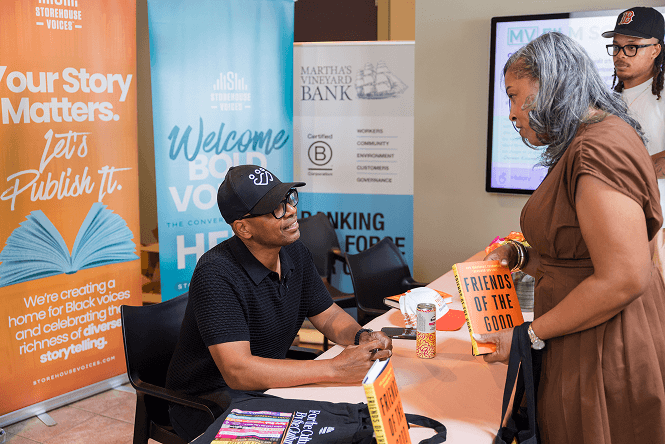
Why Demond Finally Told His Story
Martin had thought about telling his story for more than a decade. Writing it was another matter. During the conversation, he openly admits that creating Friends of the Good was difficult. His life has moved through worlds that may seem almost impossible to connect: a childhood that included living with a stepfather struggling with heroin addiction, a career that took him to the White House, Harvard Business School and eventually the upper levels of finance and entrepreneurship.
But one encounter helped him understand why sharing that journey mattered. After speaking at his alma mater, UNC Charlotte, a young woman approached him in tears. She told him she had started that day believing it would be her last. After hearing Martin talk about surviving difficult circumstances and still building a life on the other side of them, she decided otherwise.
That moment stayed with him. His story was no longer only his. It could become something another person carried with them when they needed proof that a hard chapter did not have to be the final one. Martin has continued telling his story ever since.
Friends of the Good allows that story—and the lessons inside it—to travel places he cannot physically be.
“A hard chapter does not have to become the final one.”
-Storehouse Voices
Balance Might Be the Wrong Goal
Success comes with another question: How do you make room for all of it? Martin’s answer challenges another familiar idea. Perfect balance, he argues, may be unrealistic.
There will be seasons when work demands more. There will be periods when life feels heavily tilted in one direction. The goal is not necessarily to keep everything perfectly equal every day. The goal is to know what matters most.
For Martin, that means regularly looking at his schedule and intentionally making space for his priorities, including family and his own well-being. Dennis relates deeply to that idea. Both men have been married for decades, and their conversation turns toward the role their wives and families have played in the lives they have built. They agree that choosing a life partner can shape nearly everything that follows—personally and professionally.
Success may be visible from the outside. But the people who help someone carry that success often are not
SUCCESS MAY CARRY ONE PERSON’S NAME, BUT THE LIFE CAPABLE OF SUSTAINING IT IS OFTEN HELD BY MANY HANDS.
The Legacy We Build Through Other People
As the conversation moves toward family, something changes. The language of business gives way to something more personal. Dennis talks about the joy of now being able to work alongside his children. Martin has his son with him in the studio during the conversation.
For both men, family has become part of how they understand legacy. There is achievement. And then there is having people to pour into. There is building something impressive.
And then there is building something that can live beyond you. That same idea appears when Martin talks about gratitude. He sees WellWithAll, the company he helped create, as an extension of what others have given him throughout his life. People invested in him, so part of his responsibility now is finding ways to pour that investment back into others.
Gratitude, in that sense, becomes more than saying thank you. It becomes continuation. Someone gives to you. You grow.
Then you give to somebody else.
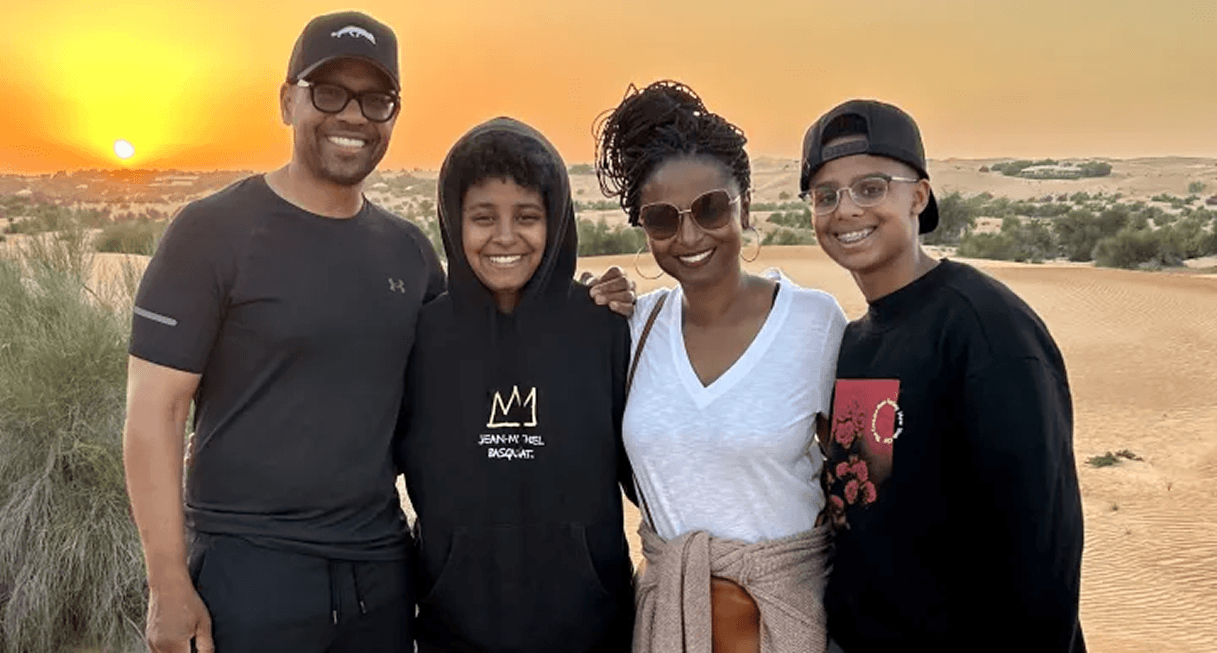
For Martin, legacy increasingly means considering what we build inside other people and what we pass forward.
Show Me Your Friends
Friends of the Good arrives during a strange moment for human connection. We can follow people without knowing them. We can build networks without building intimacy. We can have group chats, followers, contacts and professional connections and still wonder who we could actually call when life falls apart.
Martin wants people to think more intentionally about that difference. Who shows up? Who tells you the truth? Who pushes you?
Who wants something good for you without needing something from you in return? And just as importantly: Are you being that person for somebody else? Toward the end of the conversation, Dennis shares a phrase that captures much of what the two men have been discussing: “Show me your friends, I’ll show you your future.”
Because our lives are shaped by more than the goals we set. They are also shaped by the people standing beside us while we
pursue them.
“Show me your friends, I’ll show you your future.”
-RICHELIEU DENNIS
A Conversation About How We Build a Life
The Storehouse & Friends conversation with Demond Martin and Richelieu Dennis is about friendship, but it reaches far beyond who we call our friends. It is about mentorship. It is about family. It is about ambition.
It is about gratitude. And it is about challenging the idea that needing other people somehow makes our accomplishments less meaningful. Martin’s story suggests the opposite. Being community built does not erase the work you did.
It recognizes all the hands that helped you do it. Friends of the Good asks us to look at the people who have poured into our lives—and to consider whether we are pouring enough back into theirs. Because maybe the better question is not whether you can make it on your own. Maybe it is:
Who are you becoming because of the people around you, and who are they becoming because of you?
more from storehouse & friends

Style, Identity, and the Power of Self-Definition
11 MIN READ