CONVERSATIONS / culture / books
Mara Brock Akil Is Asking What Freedom Really Looks Like
Mara Brock Akil Is Asking What Freedom Really Looks Like
The award-winning creator of Girlfriends, Being Mary Jane, Love Is and Forever joins Storehouse & Friends to discuss her debut novel, The Revelation of Dionne Daphne, and the complicated questions it raises about freedom, shame, sexual agency, friendship, ambition and healing.
Storehouse & Friends | September 26 | 9 min read
SHARE
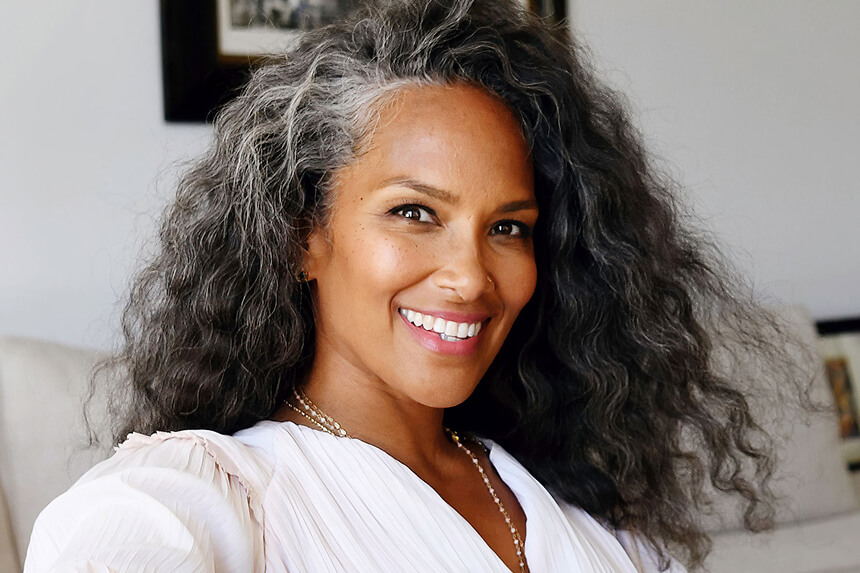
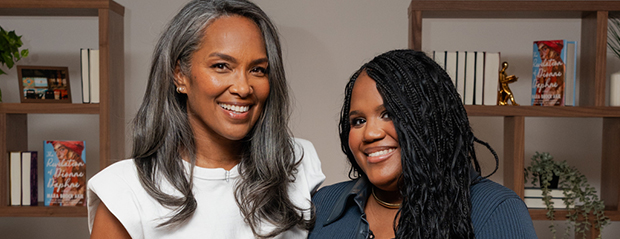
Mara Brock Akil joins Storehouse & Friends to discuss her debut novel, The Revelation of Dionne Daphne, and the questions about freedom, identity and healing at its center.
Mara Brock Akil joins Storehouse & Friends to discuss her debut novel, The Revelation of Dionne Daphne, and the questions about freedom, identity and healing at its center.
The Woman Beneath the Portrait
From the outside, Dionne Daphne appears to have made it. She is educated and independent, working as a beauty editor at a prestigious New York magazine while enjoying the social life and access that accompany her success. Brock Akil describes Dionne as both “the American dream” and “our ancestors’ wildest dream.”
That visible success is precisely what makes Brock Akil want to look closer. She is fascinated by the distance between how people appear and what they may actually be carrying. A woman can look beautiful, composed, stylish and successful while privately holding an entirely different story. Modern life, Brock Akil suggests, has made people extraordinarily skilled at maintaining the exterior. “We’ve learned very well how to hide ourselves,” she says.
Social media can intensify that instinct, as can ambition and the relentless pressure to keep moving. Dionne has mastered forward motion while remaining disconnected from something deeper. Brock Akil describes her as the kind of person who needs “the rug to be pulled out from underneath her” before she will stop long enough to examine what she has been outrunning.
That disruption arrives when Dionne’s ex-boyfriend appears at her Brooklyn doorstep with life-threatening news. The carefully curated world she has constructed begins to fracture, forcing her toward a past she has spent years avoiding. For a woman who has become exceptionally good at moving forward, survival suddenly requires looking back.
When Freedom Is More Complicated Than It Looks
Brock Akil says her creative process often begins with a question, and one of the central questions behind The Revelation of Dionne Daphne concerns sexual agency. Women have fought for greater control over their bodies and choices, and Brock Akil is interested in examining what can exist beneath those choices and the experiences we understand as freedom.
“We’ve learned very well how to hide ourselves.”
-Mara Brock Akil
Watch the conversation
Mara Brock Akil on
The Revelation of Dionne Daphne
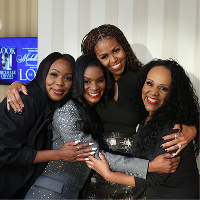
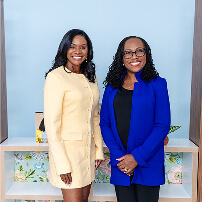
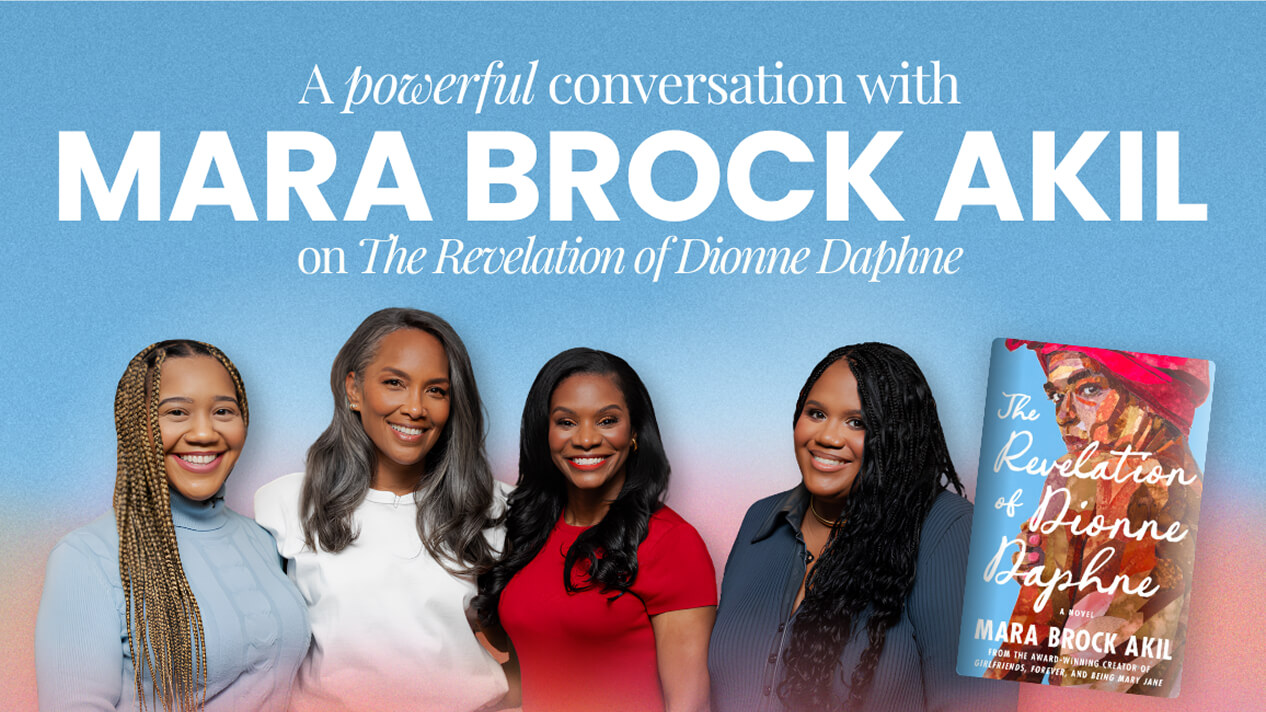
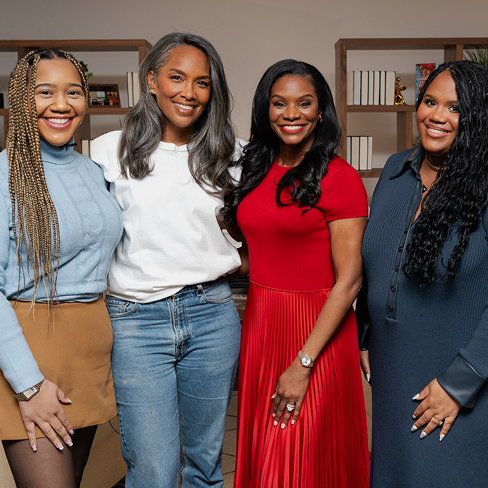
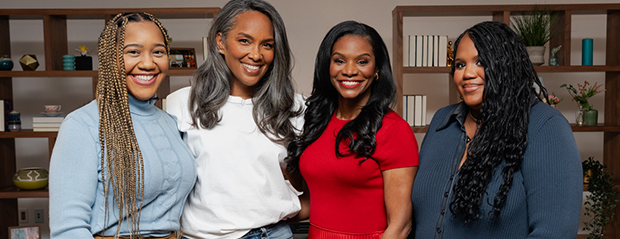
Tamira Chapman, Chelcee Johns and Kayla Starr Simmons join Mara Brock Akil for a candid conversation about freedom, sexuality, sisterhood, shame, ambition and the stories women carry beneath the lives they build.
MORE FROM STOREHOUSE &FRIENDS
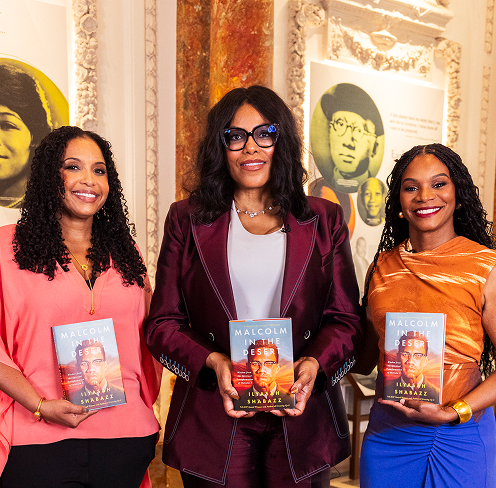
The Malcolm X You Were Never Taught
11 MIN READ
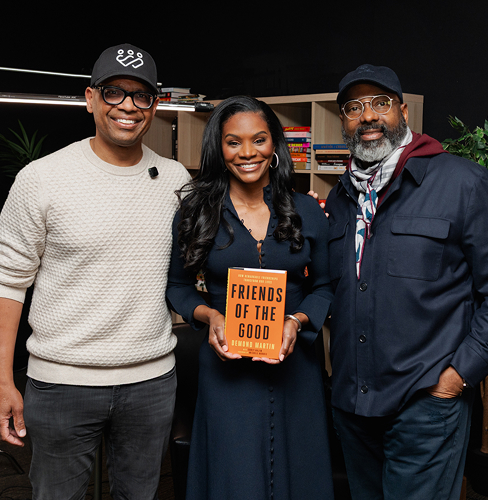
A Conversation About Friends Of The Good.
11 MIN READ
“Are we really liberated?”
-Mara Brock Akil
“Are we really liberated?” she asks. Can something that looks like freedom still carry the residue of an older wound? For Brock Akil, those questions cannot be separated from history or from the stories women inherit about their bodies, their sexuality and their worth.
The inquiry is not about denying women agency. It is about becoming curious about its origins. “Is this agency really mine?” Brock Akil asks. From there, the question widens. What belongs entirely to the individual? What has been inherited? What pain has been absorbed so deeply that it begins to resemble personality, preference or even freedom?
Brock Akil sees particular value in asking these questions during periods of cultural uncertainty. Where others might describe the sky as falling, she offers another image: “The soil is turning.” Turned soil creates the possibility of planting something new, which leaves another question behind. What will we choose to put there?
What We Turn Pain Into
Dionne’s success is not separate from her pain. In Brock Akil’s telling, the relationship between the two reflects something larger about a culture that prizes productivity and rarely rewards people for stopping long enough to examine what drives it. Achievement can become evidence that everything is fine, even when the need to achieve began somewhere far more complicated.
“We actually alchemize our pain for fuel to success,” Brock Akil says. Pain can become ambition, which can produce accomplishment and enough validation to keep someone from asking why the running began in the first place. For a while, that strategy can work remarkably well. The problem comes when success is eventually asked to heal a wound it was never designed to address.
Dionne carries shame and a secret, and she has built enough of a life around both to convince herself that moving forward is the same as moving through. Brock Akil is interested in what happens when that illusion finally breaks and a person begins to speak about what has remained hidden.
“I’ll go first to make it a little bit easier,” she says of Dionne’s willingness to expose the parts of herself she would rather conceal. There can be freedom in telling the shame story because once the story is no longer occupying so much hidden space, something else can finally enter. There may be room for honesty, help and a kind of love that is more real because it is no longer being asked to love a performance.
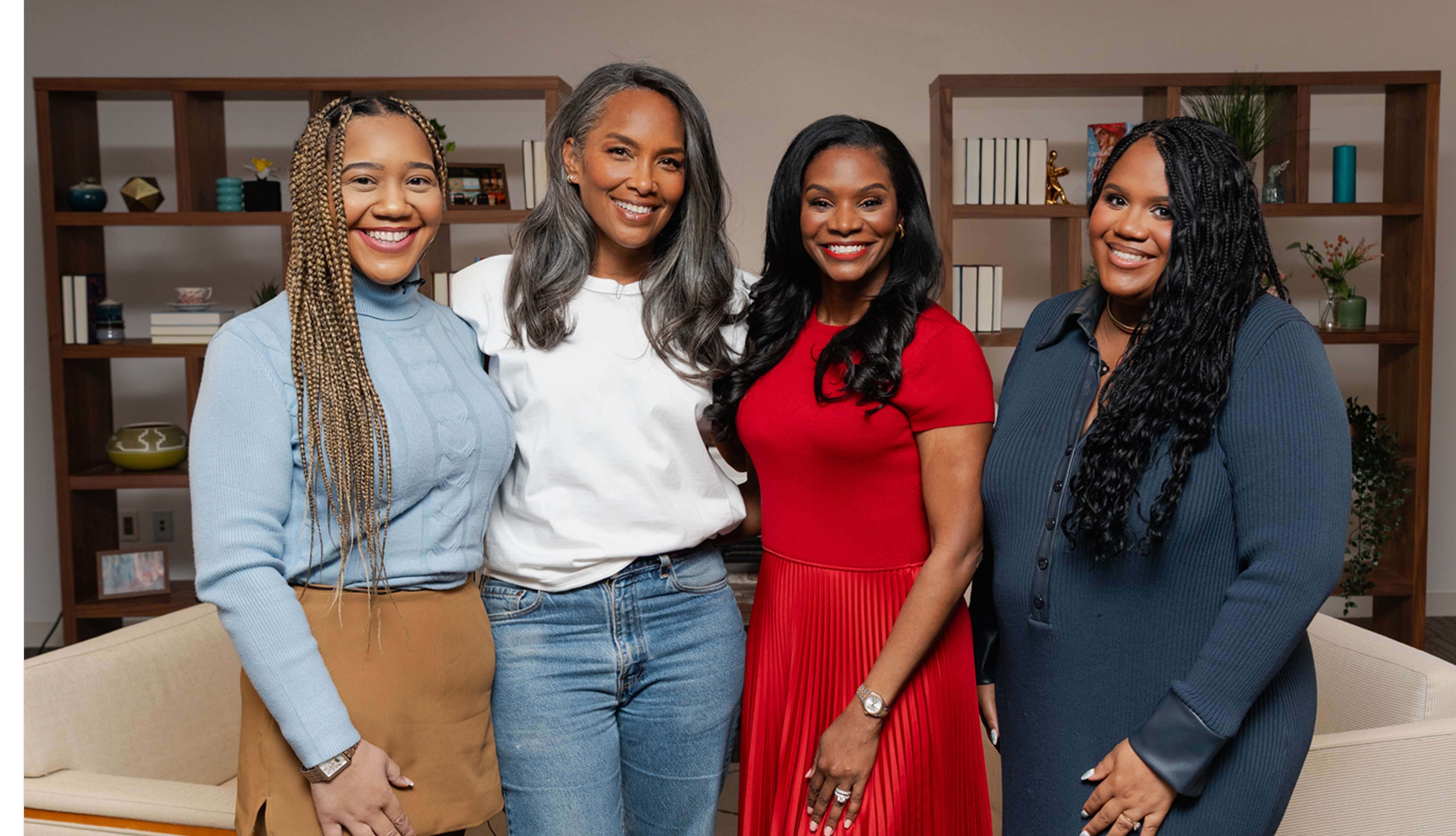
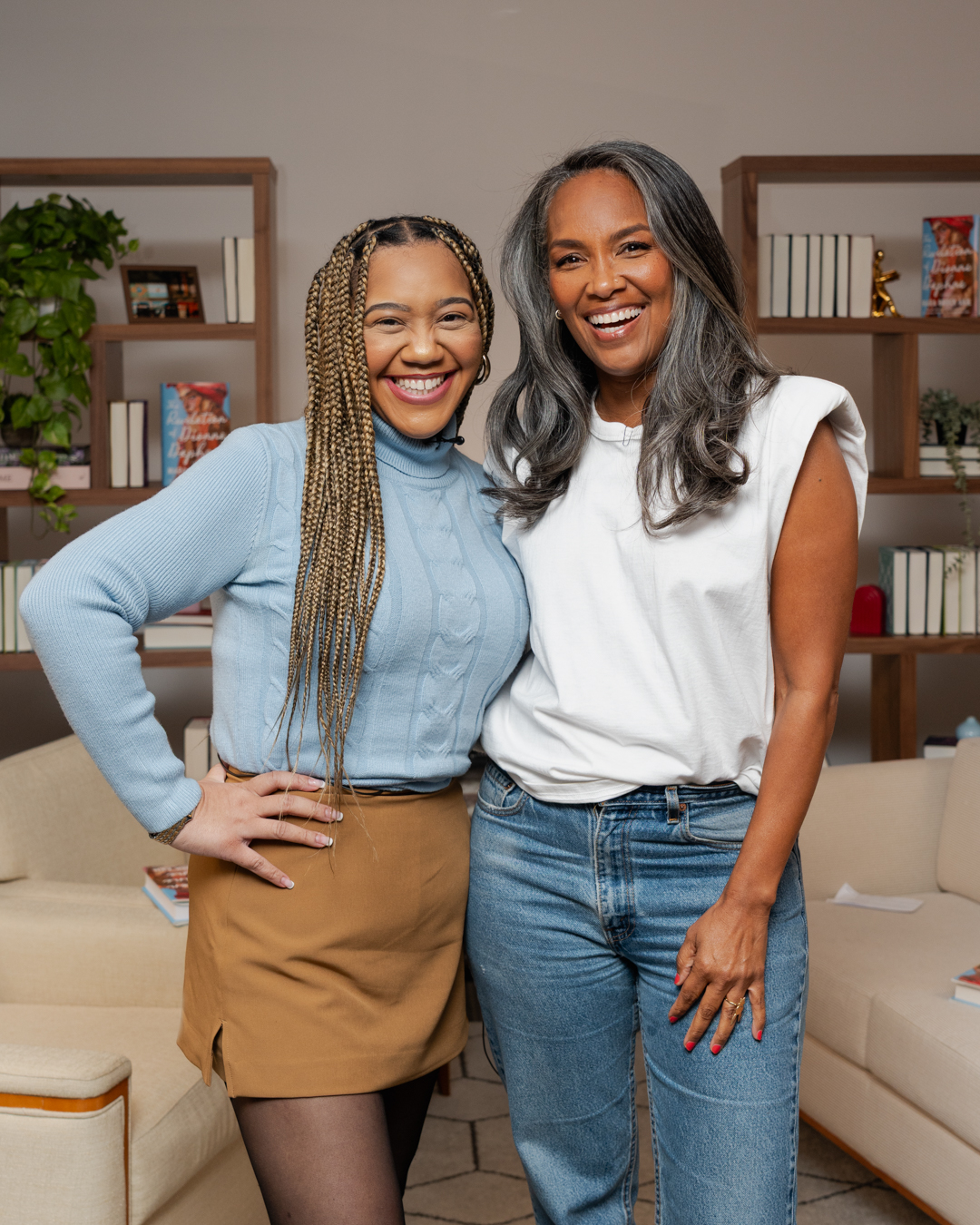
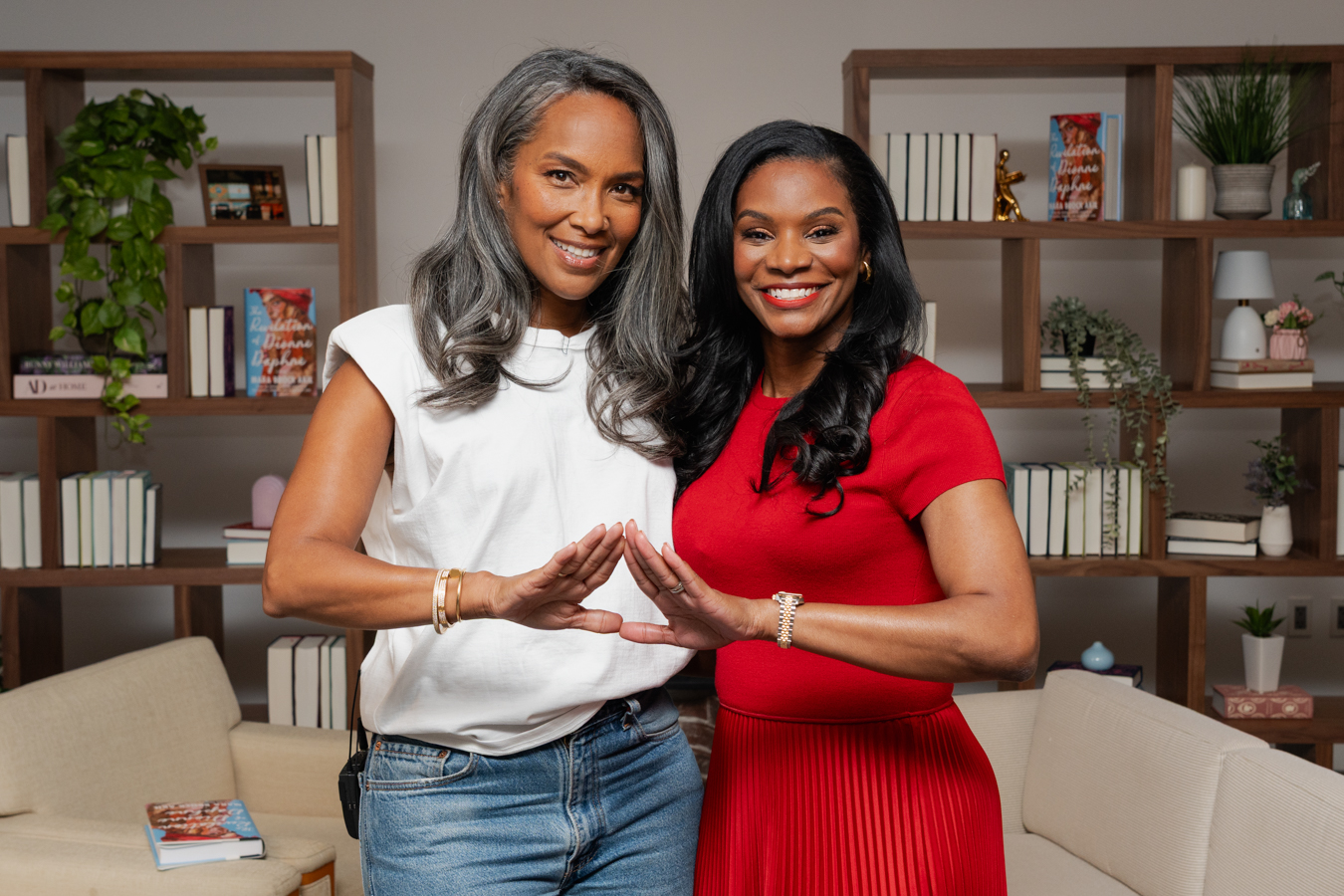
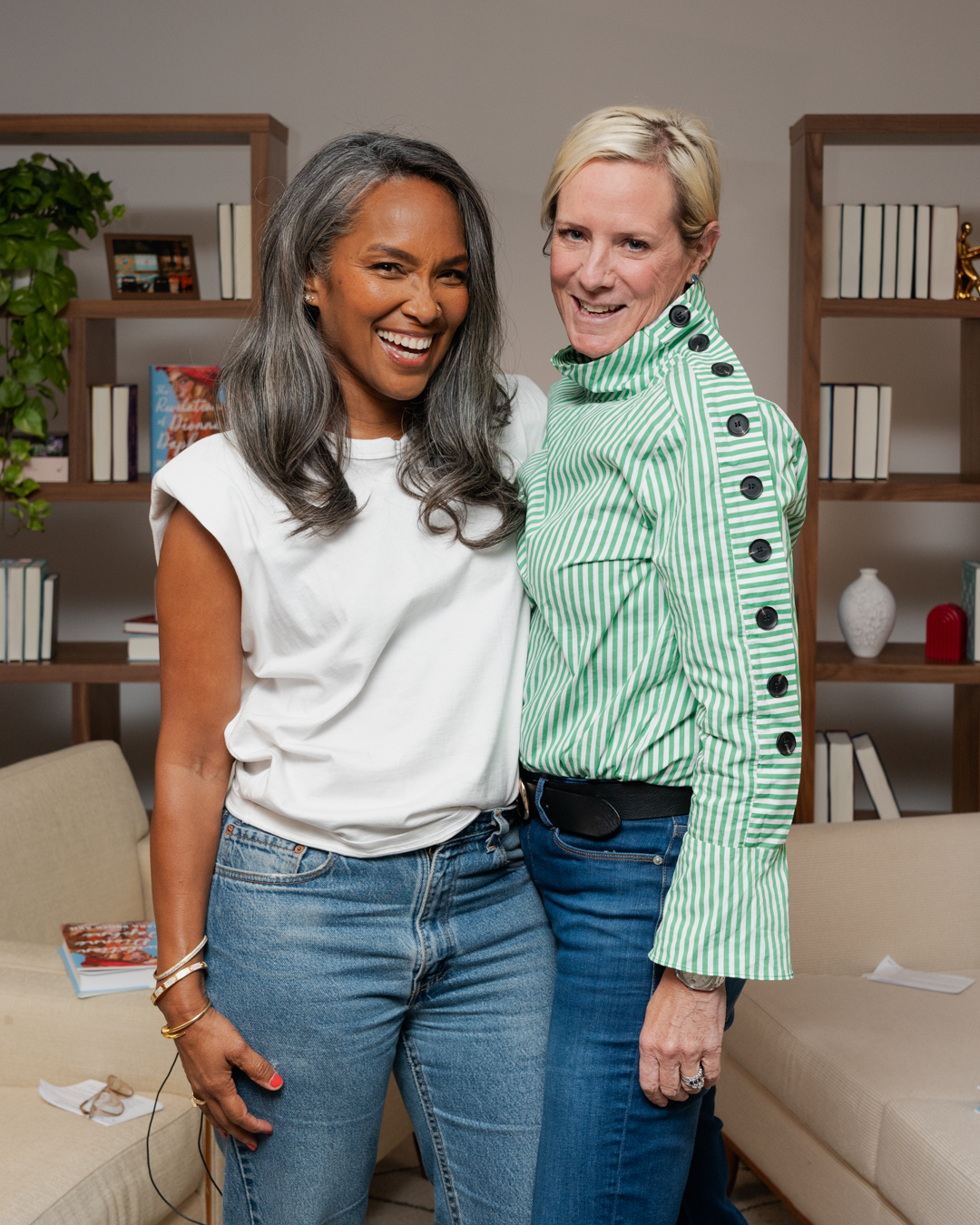
Mara Brock Akil in conversation with Tamira Chapman, Chelcee Johns and Kayla Starr Simmons for Storehouse & Friends.
The Difference Between Having Friends and Being Known
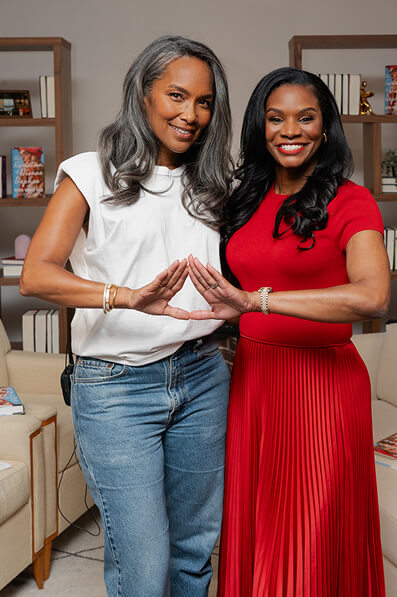
The Revelation of Dionne Daphne also asks difficult questions about sisterhood as a practice. Brock Akil, a member of Delta Sigma Theta Sorority, Incorporated, is interested in something larger than organizational bonds or symbols. She wants to know whether women actually know how to be sisters to one another, and she believes that question begins with the relationship a woman has with herself.
“How much are you a sister to yourself?” she asks. How much are you a friend to yourself, and how much do you love yourself? Those questions shape the way Brock Akil thinks about friendship because real sisterhood, as she describes it, requires truth, acceptance and accountability. It includes the ability to affirm someone while still asking her to become more honest about who she is and who she is becoming.
That kind of relationship also requires tenderness. Brock Akil talks about laughter, food, drinks, fashion, music and rest as part of the “soft life” that makes difficult truths easier to hold. Dionne’s friendships give Brock Akil room to explore what happens when relationships that look ideal from the outside are finally asked to go deeper. Are we talking about what actually matters, or have we simply become skilled at maintaining the surface?
Brock Akil raises another possibility: sometimes the people we choose as friends recreate relationships we already know. A friend can become a kind of surrogate parent, reinforcing an old pattern or becoming the person with whom that pattern can finally be broken. There is a particular vulnerability in being truly known because a real friend knows enough about you to matter, which makes telling that person the truth a much greater act of trust.
Watch the conversation
Mara Brock Akil on The Revelation of Dionne Daphne
Tamira Chapman, Chelcee Johns and Kayla Starr Simmons join Mara Brock Akil for a candid conversation about freedom, sexuality, sisterhood, shame, ambition and the stories women carry beneath the lives they build.
Your Story Is An Asset
Writing The Revelation of Dionne Daphne became more personal than Brock Akil expected. She describes the process as a kind of therapy, with pieces of her own life surfacing as she created Dionne. The experience strengthened a belief she now speaks about with urgency: “Our stories now are our most valuable asset as human beings.”
That idea carries particular weight at a moment when technology can reproduce extraordinary amounts of human expression. Brock Akil points toward something technology cannot possess on its own: a lived life. The feelings inside it, the contradictions and memories, and the specificity of how one person experiences the world remain the raw material of human storytelling.
The work is learning what to do with that material. For Brock Akil, storytelling is not simply public confession. Craft matters. Reading matters. Understanding an audience matters. A lived experience can become the root of a story without requiring the finished work to be solely about the person who lived it.
Brock Akil describes her own approach as telling “the truth through fiction.” The personal becomes a doorway into something larger, turning private experience into broader questions about what our individual stories might reveal and what conversations they can help begin.
If people learn to value their own stories, Brock Akil believes they may also become more capable of valuing the stories of others. A story then becomes more than something to consume. It becomes a way of seeing another person.
Putting the Pieces Back Together
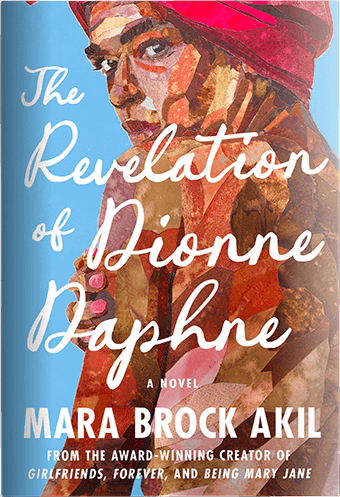
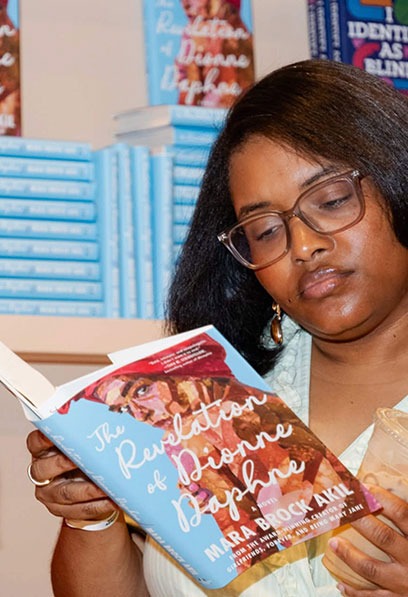
One image follows Brock Akil throughout the conversation: brokenness. She refers to the Japanese practice of repairing broken pottery with gold, leaving the fracture visible rather than disguising the fact that it ever existed. The image resonates with Dionne and with the fragmented, collaged portrait featured on the novel’s cover.
Brokenness can also be understood as a mosaic, a puzzle or a collage, with different pieces still belonging to the same whole. “We can say all of those ideas of ourselves belong to me,” Brock Akil says. The point is not to romanticize pain. It is to question the shame attached to having been broken by something in the first place.
A person who has put herself back together may carry a different kind of compassion because she knows what fracture feels like. She may understand the need for help and recognize the people who held the pieces while the repair was happening. “Those who are willing to glue you back together, you keep them close,” Brock Akil says.
That idea brings the conversation back to a subject Brock Akil has explored throughout her career: love and what it actually requires. Love can provide comfort and reveal the things a person would rather leave untouched. Sometimes the most consequential love story begins when someone decides she is worth putting back together.
A Conversation About More Than a Novel
The Storehouse & Friends conversation with Mara Brock Akil ultimately reaches far beyond the story of a celebrated television creator becoming a novelist. It is an examination of freedom, shame, friendship, ambition and the stories people tell publicly while keeping other truths buried underneath. It also raises a difficult question about whether healing sometimes requires reconsidering what we have been calling strength.
Brock Akil has spent decades creating layered portraits of Black women, and in The Revelation of Dionne Daphne, she turns the portrait inward. Dionne can be accomplished, independent and beautiful while also carrying wounds she has not confronted. Those realities can occupy the same woman, and Brock Akil allows that complexity to remain intact.
Black women are the first audience Brock Akil names, but they are not the last. She wants women more broadly to recognize the similarities beneath the different details of their lives, to understand one another more fully and to create what she calls “its own sorority of sorts.”
That understanding begins inward. Brock Akil asks people to consider the younger versions of themselves, the little girl or little boy whose dreams existed before adulthood became something they learned to perform convincingly. Near the end of the conversation, she encourages readers to check on that child, make sure they are okay and then ask which of their dreams remain.
Perhaps that is the deeper revelation inside Dionne’s story. A life can look successful and still deserve examination. A friendship can appear close while still requiring greater truth. Freedom itself can be worthy of interrogation, particularly when we have never stopped to ask who taught us what freedom was supposed to look like.
“Our stories now are our most valuable asset as human beings.”
-Mara Brock Akil
Being broken does not make the pieces less valuable. Sometimes the work begins with becoming brave enough to look at all of them and ask the question success itself can never answer:
What parts of yourself have you been too busy succeeding to finally face?
more from storehouse & friends