
CONVERSATIONS / books / FILM & TELEVISION
Michelle Obama Knew the Look Was Never Just About Clothes
Michelle Obama Knew the Look Was Never Just About Clothes
Michelle Obama joins Storehouse & Friends to discuss The Look, the strategy behind years of public presentation, the creative team whose hands helped shape it, and what fashion can reveal about confidence, identity, leadership and the complicated experience of being seen.
Storehouse & Friends | September 26 | 11 min read
SHARE
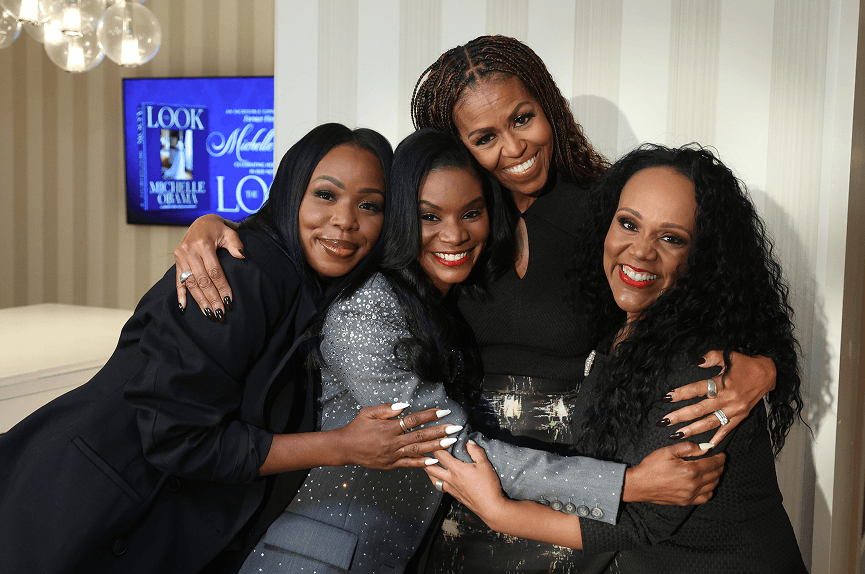
Michelle Obama joins Storehouse & Friends to discuss The Look and the strategy, creativity and people behind some of the most recognizable images of her public life.
They needed to work. They needed to fit. Then, ideally, they needed to disappear. In a wide-ranging conversation with Storehouse & Friends Publisher Tamira Chapman, alongside
Kinna Thomas and Kahlana Barfield Brown, Obama discusses the thinking behind The Look, her book about fashion, beauty and the teams that helped prepare her for some of the most visible years of her life.
But the conversation is not really about clothes alone. It is about the labor behind appearing effortless. The choices women make before entering rooms that were not necessarily designed with them in mind. And the difference between being looked at and allowing the way you look to become the most important thing about you.
“I have to make clothes become secondary to the work.”
-Michelle Obama
When Dressing Became Strategy
Before there was a White House wardrobe, there was a working mother trying to get home for dinner. Obama describes her husband’s political rise as slow at first, then sudden. For years, they had separate careers. She was working.
Their daughters were young. Barack Obama had political events, but those events did not yet control the family’s life. Then the presidential campaign changed the scale. Michelle Obama was still working full time while beginning to campaign more frequently. She remembers waking at 5:30 in the morning, going to the hairdresser, flying to Iowa, completing five or six rallies, then trying to catch the last flight home in time for dinner with her daughters.
Her mother helped keep the girls’ routines intact. Obama tried to do the same. Eventually, one logistical problem became impossible to ignore. “I don’t have time to have clothes be an issue,” she remembers thinking.
That realization changed her approach. She began working with Chicago designer Maria Pinto, who could create pieces that fit her body and could be mixed, matched and reused. Obama is 5 feet 11 inches tall with long legs. She says she was never an “off the rack kind of woman.”
Having someone who understood fit meant one fewer decision in days already crowded with them. The goal was not to make fashion more important. It was the opposite. “I have to make clothes become secondary to the work,” she says.
That required preparation. “To make something look easy
requires a strategy.” Most working women develop some version of that strategy, Obama argues. Her difference was visibility.
Everybody was watching.
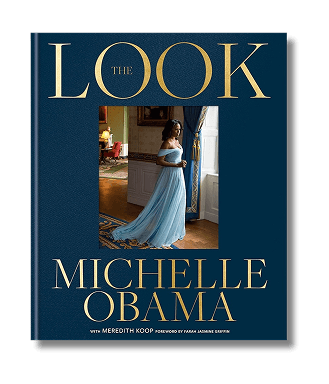
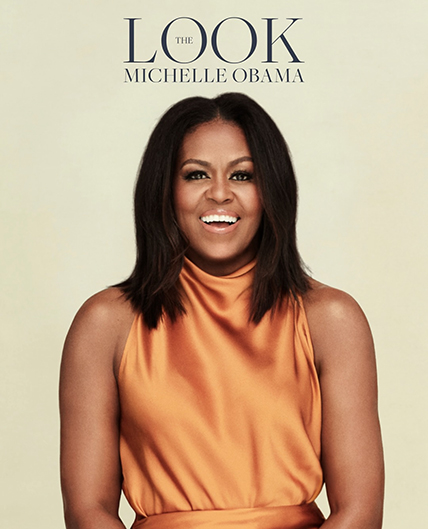
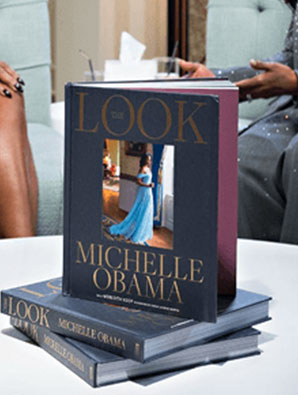
The look
Former First Lady Michelle Obama
With Meredith Koop Foreword by Farah Jasmine Griffin
Crown
“Clothes were never the point. They were the uniform so I could do the work.”
-Michelle Obama
Watch the conversation
Style, Identity, and the Power of Self-Definition
Michelle Obama joins Storehouse & Friends to discuss The Look and the strategy, creativity and people behind some of the most recognizable images of her public life.
MORE FROM STOREHOUSE &FRIENDS
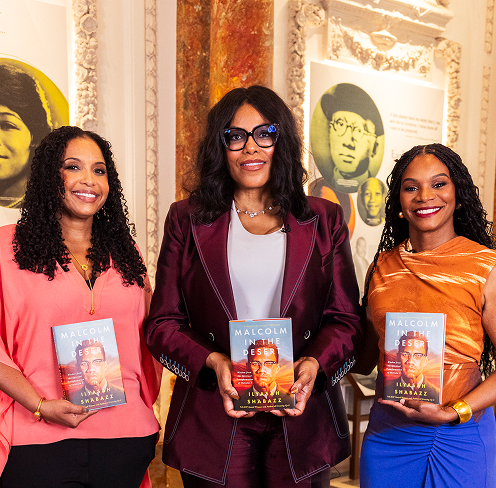
The Malcolm X You Were Never Taught
11 MIN READ
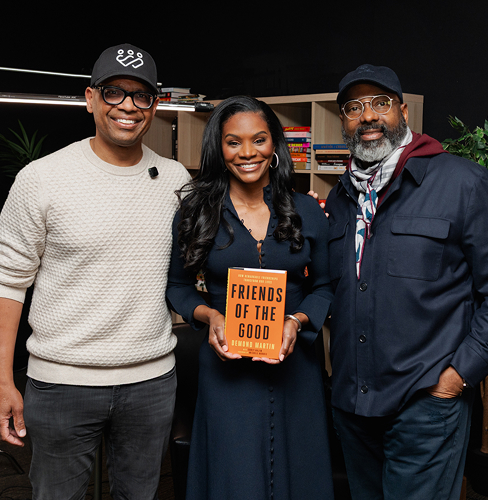
A conversation about Friends of the Good.
11 MIN READ
“To make something look easy requires a strategy.”
-Michelle Obama
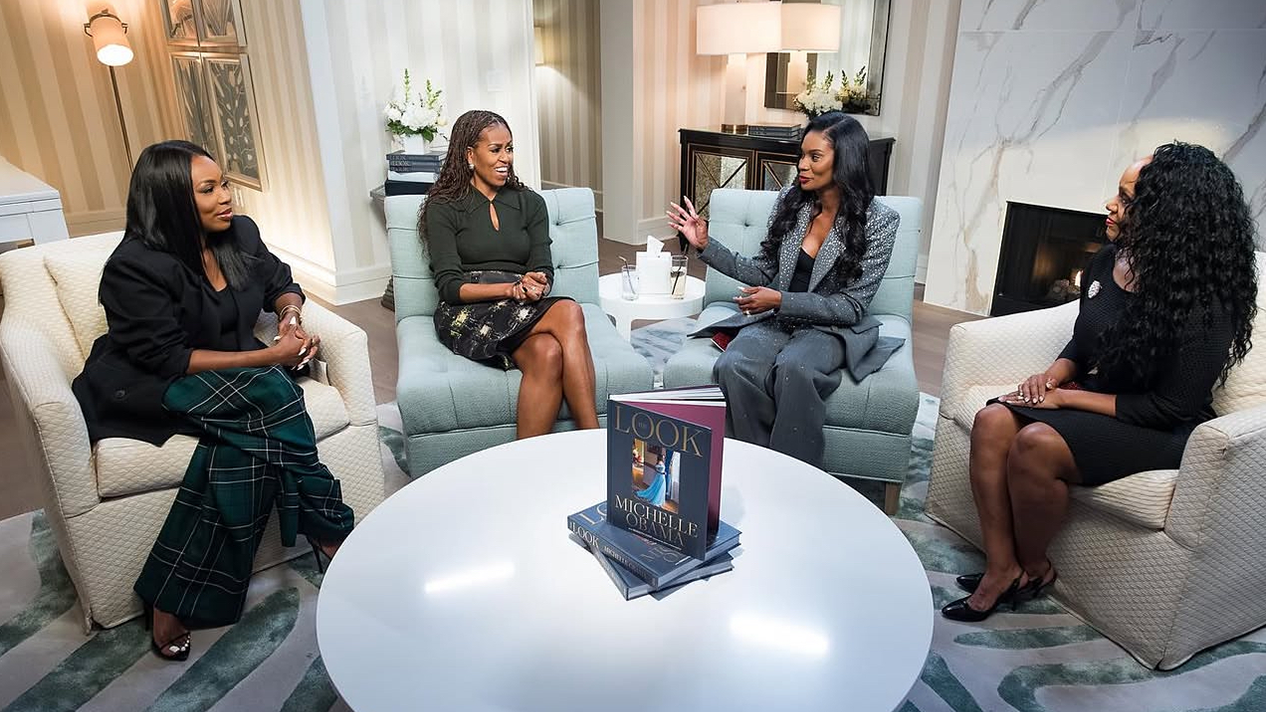
Michelle Obama joins Storehouse & Friends to discuss The Look and the strategy, creativity and people behind some of the most recognizable images of her public life.
Watch the conversation
Style, Identity, and the Power of Self-Definition
Tamira Chapman joins Michelle Obama, Kinna Thomas and Kahlana Barfield Brown for a conversation about fashion, beauty, confidence, identity, leadership and the creative labor behind years of extraordinary public visibility.
When Clothes Start Saying Something
Visibility changed the stakes. Once Obama became first lady, what she wore could direct attention toward more than herself. She became increasingly deliberate about where that attention went. One of the first major decisions involved the inauguration.
It is easy to celebrate courage after history has decided it was courage. Living through it is different. For Kaepernick, protest carried extraordinary consequences. His NFL career ended while he was still capable of playing at the highest level, dramatically changing both his professional trajectory and earning potential. But throughout his conversation with Chapman, another theme emerges: the financial consequences did not end nd you a bill.
There were established designers who already occupied the highest levels of American fashion. Obama began wondering what the moment could mean for someone who had not yet received that kind of exposure. “What about people who were just starting to put their caps on?” she asks.
Jason Wu became part of the answer. Obama describes wanting to feel light, fresh and glowing on inauguration night. Wu’s dress accomplished that. But his story also mattered to her.
“Me wearing them could change their life.”
-Michelle Obama
So did the opportunity. Once Obama realized that people would investigate the designers behind what she wore, clothing became another way of widening the frame. Young designers. Black designers.
Immigrant designers. Women. People whose work might otherwise remain outside the center of public attention. “Me wearing them could change their life,” she says.
She also wore J.Crew and Target. Accessibility mattered alongside aspiration. The choices were intentional, but Obama is careful not to turn that intentionality into charity. The clothes still had to be good.
She still had to like them. They still had to make her feel good. “I never did a favor,” she says. Supporting someone did not mean lowering the standard.
If anything, the point was to create room for excellence that already existed. That same thinking extended to international travel. Clothing could communicate respect, or create an unnecessary distraction. There were conversations about cultural expectations, appropriate coverage and what might unintentionally cause offense.
Obama did not want to dress in another culture’s clothing simply for effect. She wanted to acknowledge where she was without pretending to be someone she was not. Sometimes success meant saying something. Sometimes it meant making sure the shoes never became the headline.
“I never did a favor.”
-Michelle Obama
The People Behind the Image
The opening pages of The Look begin somewhere public images rarely do. With the hands behind them. The people hemming. Braiding.
Twisting. Cutting. Coloring. Waxing. Contouring. Highlighting.
Obama dedicates the book to the people whose creative labor helps others walk into the world feeling more certain of themselves. She names her own team too.
Because the image called Michelle Obama did not arrive fully assembled each morning. “We don’t show up like this,” she says. There were hairstylists. Makeup artists.
A stylist. People working before cameras arrived and after everyone else had gone home. For much of Obama’s time as first lady, that work intentionally remained in the background. The presidency was not supposed to become a fashion story.
“The work came first,” she says. Only later did she feel it was time to bring the people behind that work into view. They had earned it. The relationship was deeper than service.
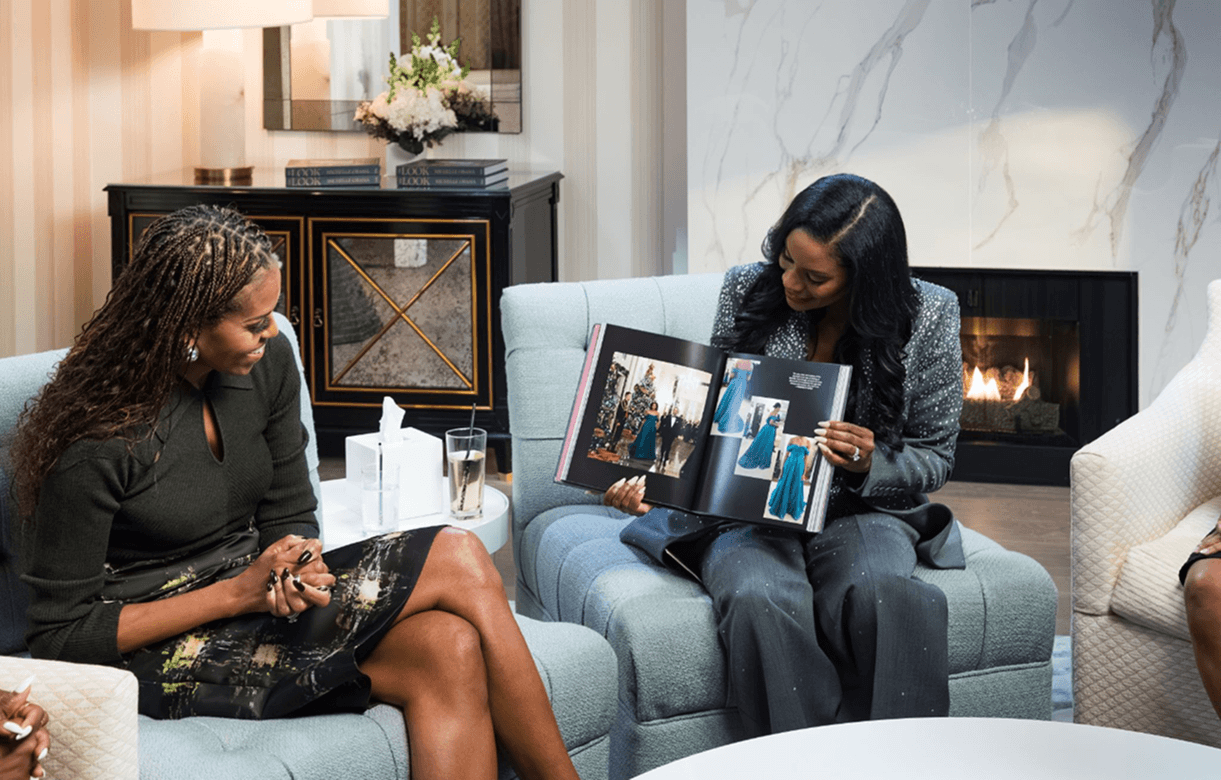
Michelle Obama joins Storehouse & Friends to discuss The Look and the strategy, creativity and people behind some of the most recognizable images of her public life.
“We don’t show up like this.”
-Michelle Obama
Obama describes many members of her team as family. Some entered her world very young. They learned while doing jobs with enormous visibility and very little room for carelessness. Obama watched assistants become professionals.
She watched young people learn to believe they belonged in rooms that initially intimidated them. Mistakes happened. Her response was not to pretend otherwise. “We’re not going to pretend like it didn’t happen,” she says. “We’re going to learn about it and I love you and let’s work on it.”
For Obama, mentorship means allowing someone enough time to grow into the confidence a role requires. “Doing it right isn’t about never making a mistake.” That philosophy shaped the way she built teams. Skill mattered.
So did courage. Kindness mattered too. Obama says she paid attention to how people behaved when they thought she was not watching. Someone could be gracious to her and rude to a member of her staff.
That told her something. Character was part of the work.
“Doing it right isn’t about never making a mistake.”
-Michelle Obama
Confidence Before the Clothes
For all the attention given to Obama’s wardrobe, she places confidence somewhere clothing cannot reach. Inside. “I think it starts with reclaiming the love of who we are as we are,” she says. “Period.”
Before makeup. Before hair. Before shoes. Before the right dress.
That work, she says, is lifelong. Obama does not pretend confidence develops in isolation from the culture surrounding women. She speaks specifically about women of color growing up within standards of beauty and professionalism that can make self-acceptance more difficult. Women more broadly, she argues, are still measured heavily by appearance.
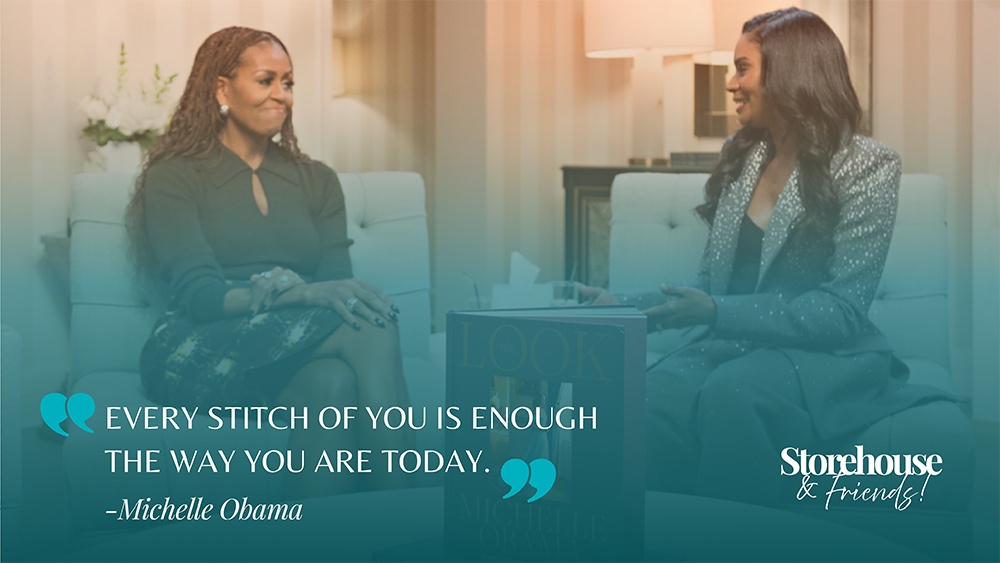
Michelle Obama joins Storehouse & Friends to discuss The Look and the strategy, creativity and people behind some of the most recognizable images of her public life.
The acceptable images remain narrow. That pressure begins early. Obama says she has consciously tried to counter it with her own daughters. Tell them they are valued.
Tell them they are loved. Tell them they are beautiful. Begin before the world starts offering competing definitions.
“Every stitch of you is enough the way you are today.”
-Michelle Obama
From there, style becomes personal rather than corrective. Wear what makes you feel good. Show your arms if you like your arms. Cover them if you do not.
Enjoy trends without becoming obedient to them. Obama jokes that there are fashion trends she simply knows are not for her. The larger point is less about taste than permission. Women do not have to build themselves around someone else’s silhouette.
The same principle extends beyond fashion. Obama talks about generations of women who became experts at pouring into everyone around them. Mothers. Grandmothers.
Sisters. Givers. She watched women give until little remained for themselves. Obama believes honoring that legacy also requires changing part of it.
“Maybe we can’t be number one on our own list, but we sure better be two or three.”
-Michelle Obama
Hair, Freedom and Timing
Few parts of appearance carry more history for Obama than hair. She describes coming from a generation taught that professionalism had a particular look. Hair was pressed. Straightened. Controlled.
The message was often practical. “Let me make my hair quiet so that you can see me.” Obama says those calculations were real throughout her professional life.
She worked at a corporate law firm. In city government. In nonprofit leadership. Then she entered the White House.
At that point, she made another calculation. She did not believe the beginning of her tenure as the first Black first lady was the moment to make hair another national conversation. “We were still trying to get the country used to two Black people,” she says of herself and her husband. There was already enough attention.
Enough scrutiny. Enough work. So she waited. As the years passed, natural hair appeared more.
Later came braids. For Obama, the change was partly symbolic and partly ordinary. Braids gave her freedom. She wanted to swim.
Exercise. Play tennis. Go into the ocean. Live without needing her hair team nearby.
“Let me make my hair quiet so that you can see me.”
-Michelle Obama
She also wanted young women to see braids within the full spectrum of what could be considered beautiful and professional. But she resists forcing every hairstyle into a larger statement. Sometimes braids are simply braids. “It’s personal,” she says.
That ordinariness may be part of the point. Obama wants the range of acceptable presentation to expand enough that every choice made by a Black woman does not have to carry an explanation. Still, she acknowledges that freedom is not distributed equally. She now works for herself.
“We were still trying to get the country used to two Black people.”
-Michelle Obama
She can make choices younger professionals may not yet feel able to make. Her advice reflects that tension. Understand where you work. Understand the standards.
Do your job well. Then use the credibility you build to create more room for yourself. Obama also credits younger generations with pushing that room wider. “They’ve moved the needle for us,” she says.
Watching them embrace natural hair publicly encouraged her too.
“I’m going to do me, too.”
-Michelle Obama
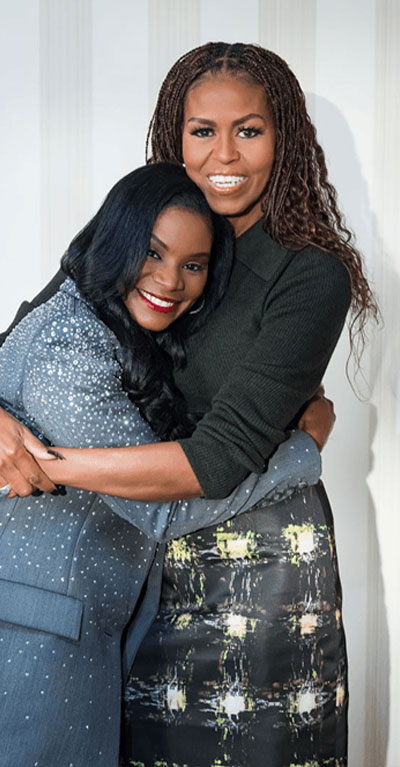
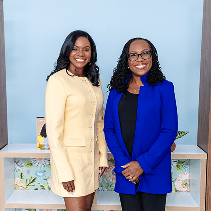
Michelle Obama with Storehouse & Friends Publisher Tamira Chapman.
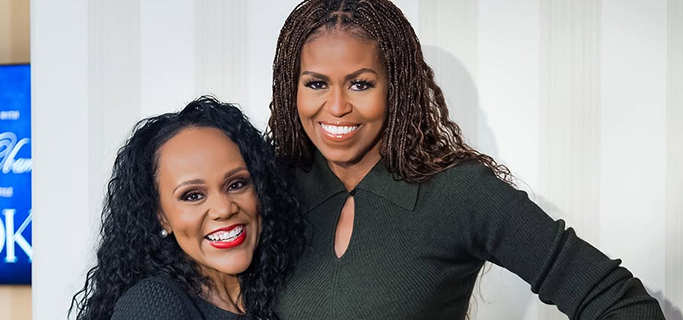
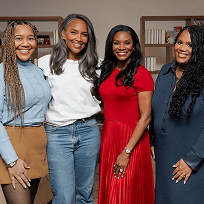
Michelle Obama with Kinna Thomas and Kahlana Barfield Brown during the Storehouse & Friends conversation.
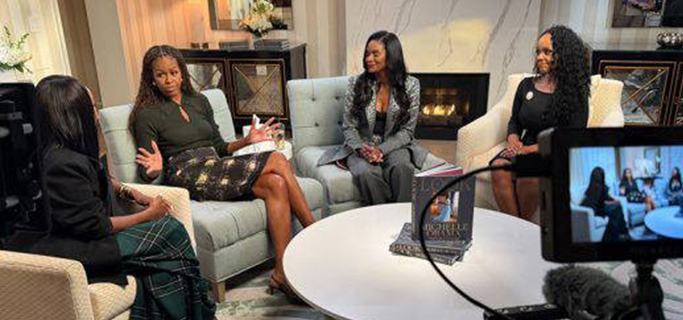
Michelle Obama during her Storehouse & Friends conversation about The Look.
A Conversation About More Than Fashion
The Storehouse & Friends conversation with Michelle Obama is not really about finding the perfect dress. It is about visibility. It is about labor. It is about confidence.
It is about strategy. It is about the people who help us prepare for the moments the world sees and the parts of ourselves no wardrobe can create. And it is about learning when presentation should speak and when it should become quiet enough for something more important to take its place. Obama has spent years being photographed.
Analyzed. Styled. Discussed. She knows what clothing can do.
It can provide armor. It can signal respect. It can direct attention toward someone whose talent deserves to be noticed. It can help a person feel prepared for what the day requires.
But the clothes were never supposed to become the work itself. Obama remembers sitting in the chair while her team handled hair and makeup as she mentally prepared for the person waiting on the other side of the door. A child. A veteran.
An audience. Someone expecting her to be present. Sometimes she barely looked in the mirror when the team finished. She trusted them.
Her attention had already moved elsewhere. “I have to be able to do everything that that moment calls for,” she says. That may be the clearest explanation of The Look. The goal was never simply to look good.
The goal was to become comfortable enough in the clothes that they stopped demanding attention. To hug someone without worrying about the fabric. To sit on the floor with children. To walk into a room and focus on why you entered it.
Obama calls fashion armor. But useful armor cannot become so precious that a person becomes trapped inside it. Eventually, it has to help you move. It has to let you work.
“Let me make my hair quiet so that you can see me.”
-Michelle Obama
And if it is doing its job well enough, people may notice the look for a moment. Then they should see the person wearing it. Because after all the hair, makeup, tailoring and preparation, the more important question remains:
Who are you when the clothes finally disappear?
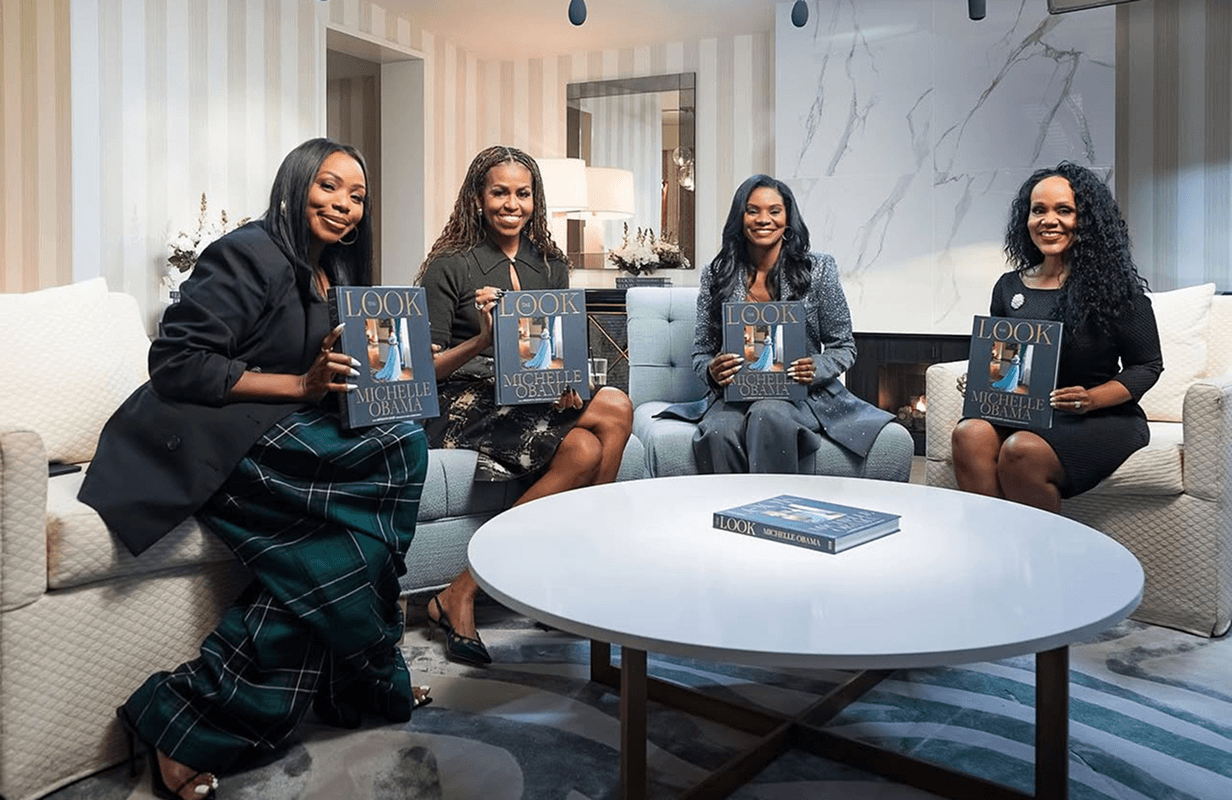
Michelle Obama with Storehouse & Friends following a conversation about The Look, confidence, visibility and the people behind the image.
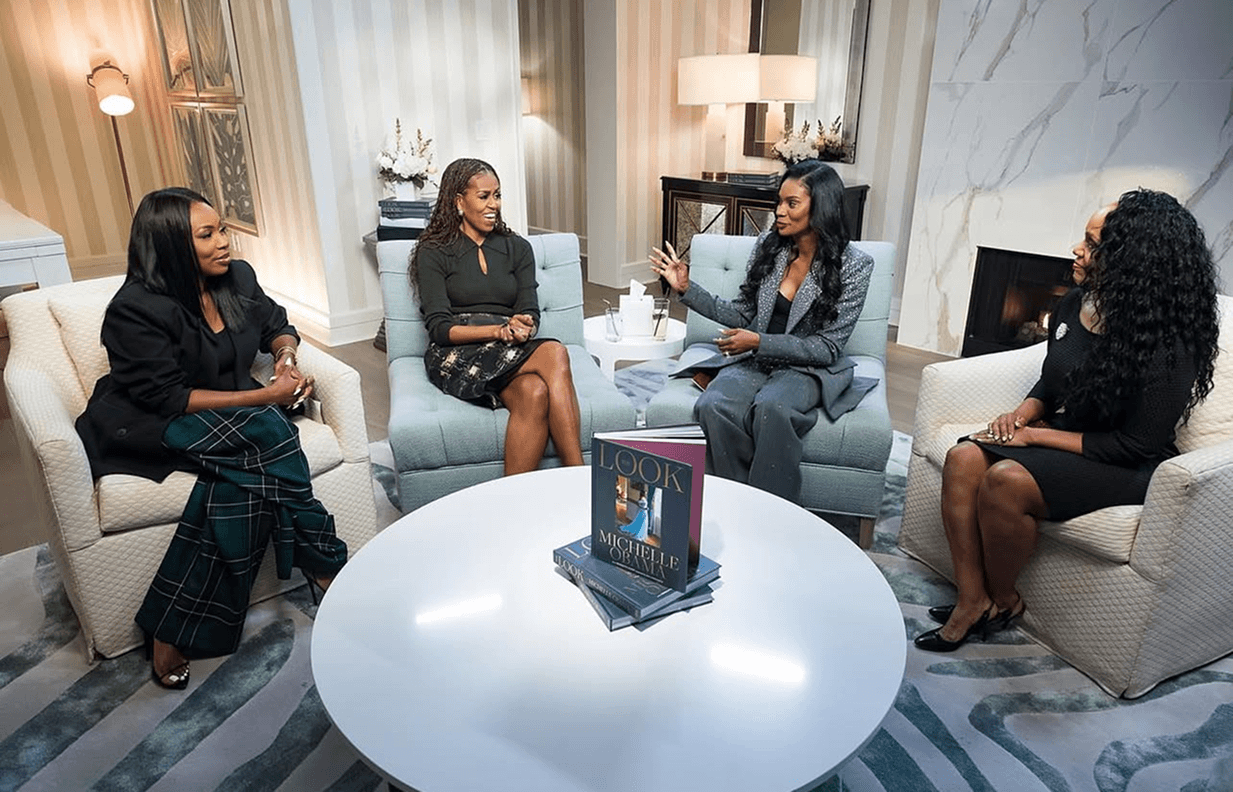
more from storehouse & friends
Purpose, Love, Legacy & the Story She Had to Tell
11 MIN READ
Purpose, Love, Legacy & the Story She Had to Tell
11 MIN READ
explore all conversations