CONVERSATIONS / culture / books
ReesaTeesa Is Still Figuring Out What Comes Next
ReesaTeesa Is Still Figuring Out What Comes Next
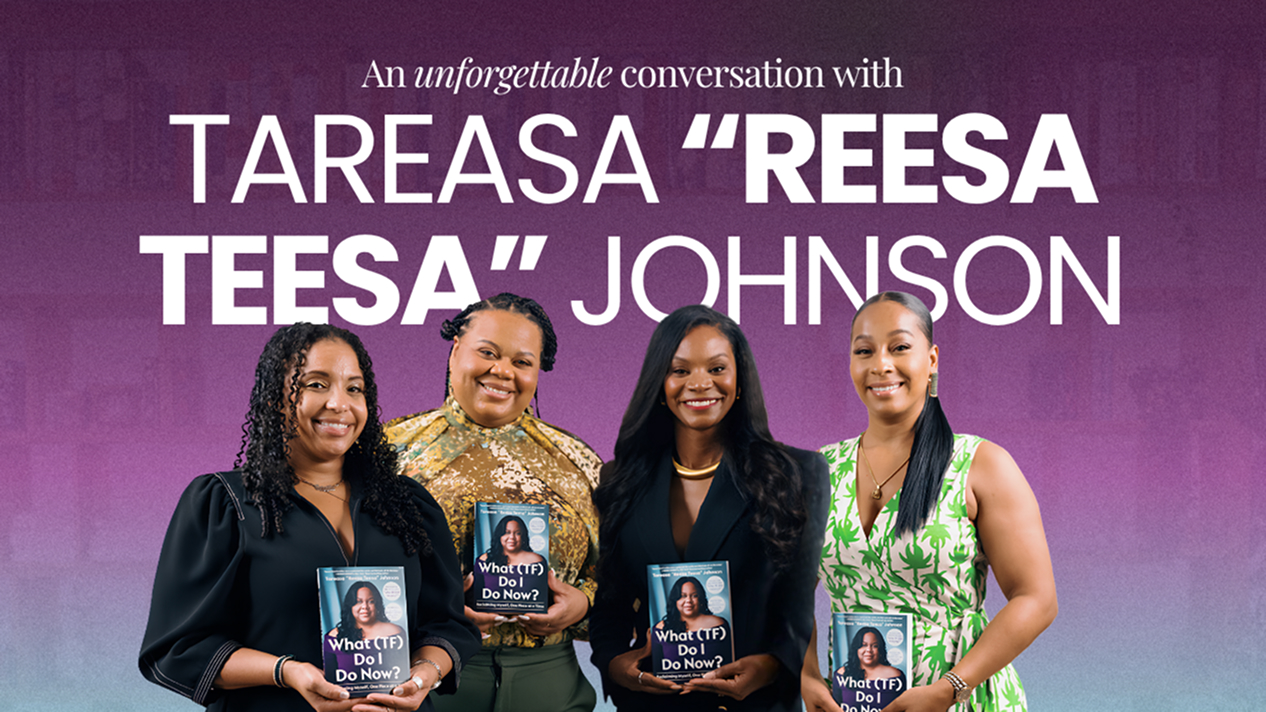
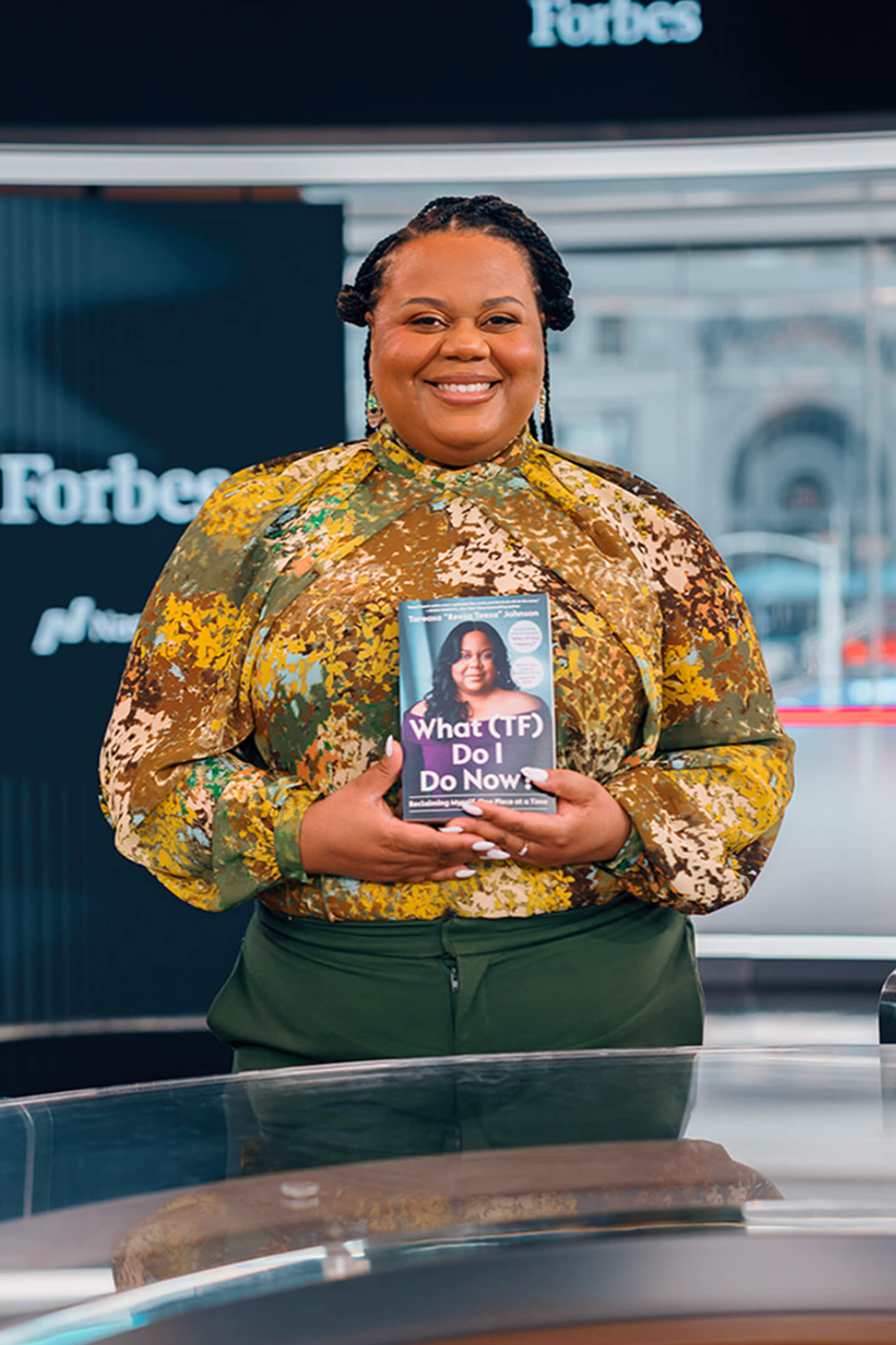
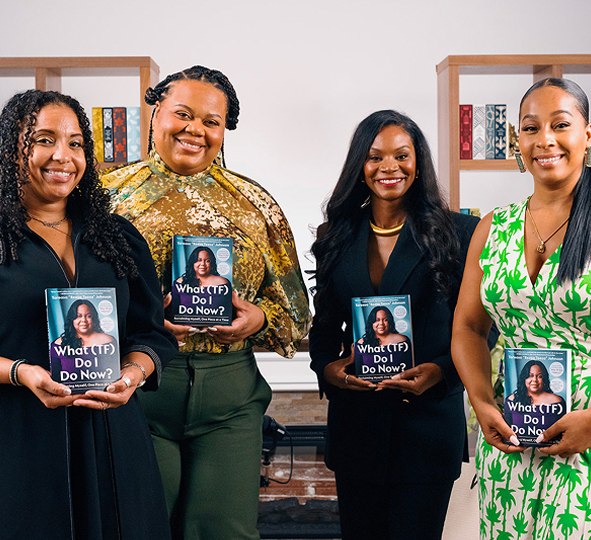
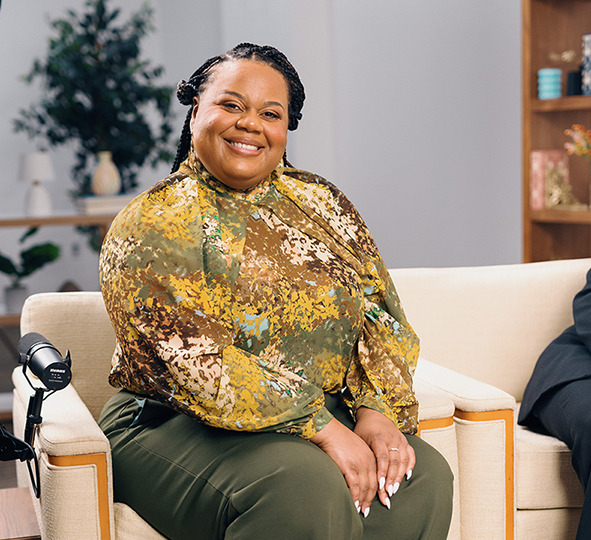
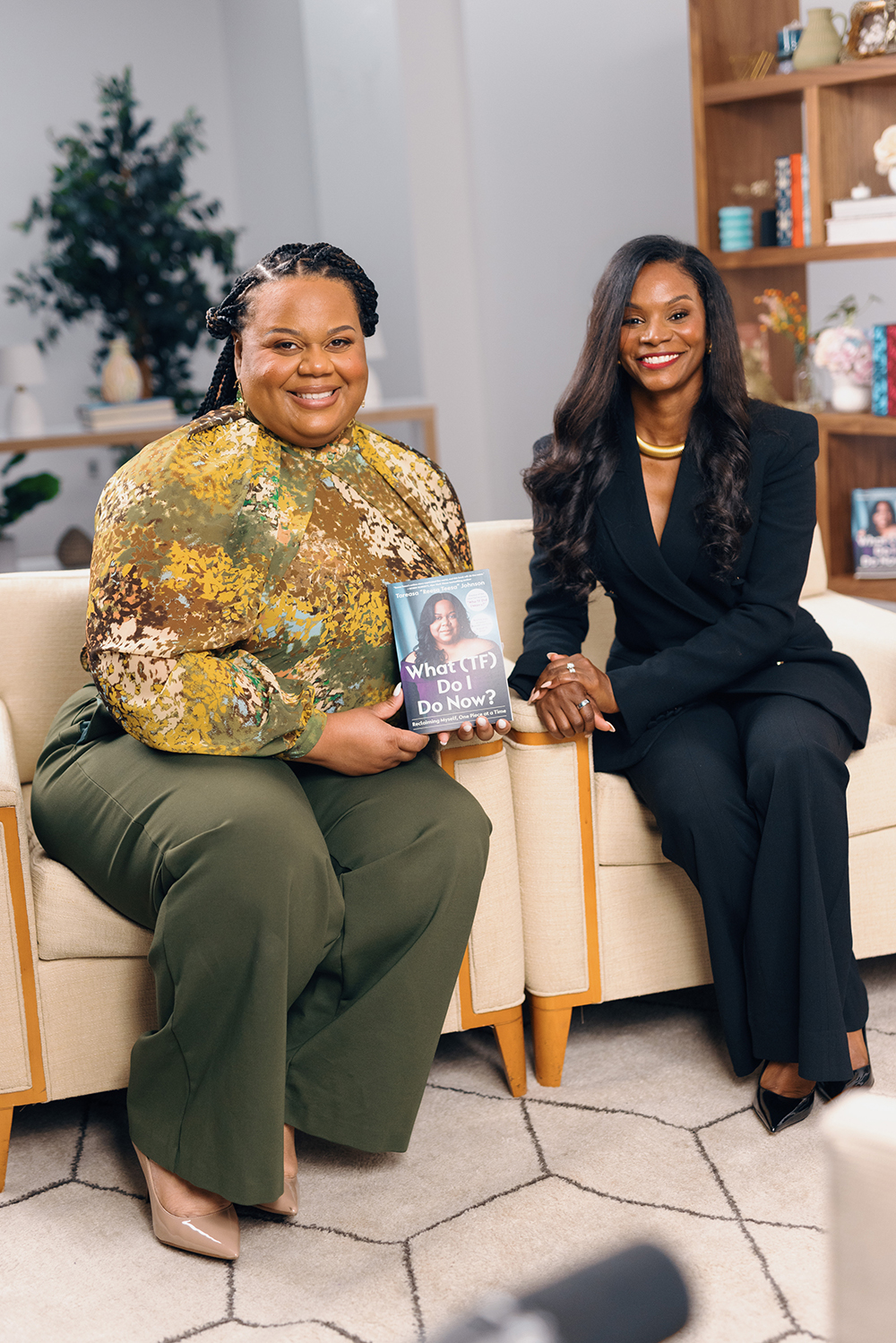
Millions first met Tareasa “ReesaTeesa” Johnson through her viral 50-part TikTok series, Who TF Did I Marry? Now she joins Storehouse & Friends to discuss her debut memoir, What (TF) Do I Do Now?: Reclaiming Myself, One Piece at a Time, and the harder questions that came after the story the world thought it knew.
Storehouse & Friends | September 26 | 10 min read
SHARE
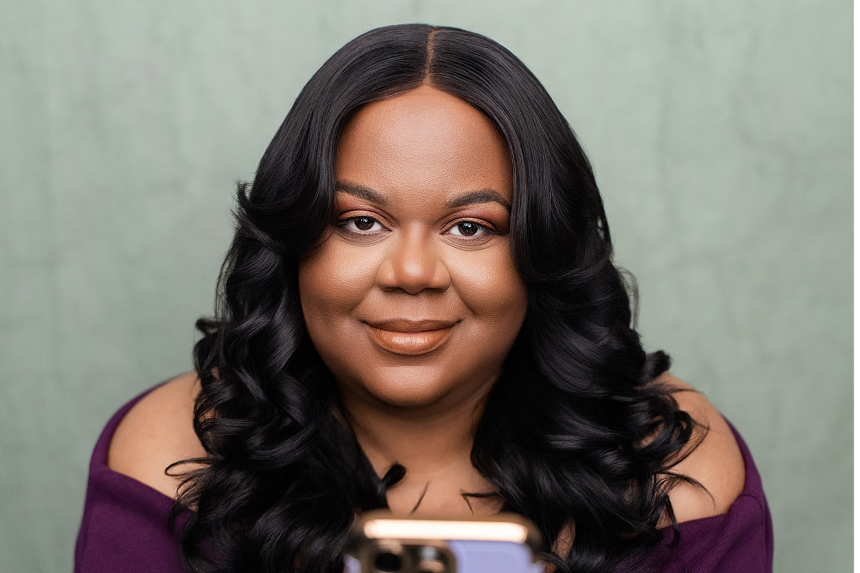
Tareasa “ReesaTeesa” Johnson joins Storehouse & Friends to discuss life after Who TF Did I Marry? and the personal reckoning behind her memoir.
When Telling The Story Changes You
Johnson never expected millions of people to stay for all 50 parts. In fact, she assumed the length would work against her. TikTok moved quickly. People scrolled. Attention disappeared.
She thought a few viewers might watch and tell their friends. Then people began waiting. By the time Johnson reached the later installments, messages were arriving from viewers refreshing their feeds and asking when the next part would appear. What started as a story became a cultural event.
But Johnson had already lived with it privately for years. She was 35 when the events she described unfolded. She was 39 when she uploaded the series. Those years mattered.
Johnson says she spent much of that time working through embarrassment and blaming herself for what had happened. When she finally began talking publicly, she was also in therapy and feeling as though she was not being heard. A TikTok response to a question about the worst thing an ex had ever done became the opening. Then something broke loose.
“I’ve got to get this out,” Johnson remembers thinking. She recorded late into the night. Some parts were painful to say aloud. Others brought relief.
For years, Johnson had carried the belief that she must have been foolish for accepting what she accepted. Speaking changed the weight of it. Then strangers began answering with stories of their own. Women told her it had happened to them.
Men did too. Older Black women told her they had lived through similar experiences but had never spoken about them. For Johnson, those responses altered the meaning of the series. Something she had experienced as private shame turned out to be far less private than she thought.
She was not the only one.
Learning To Trust The Voice You Ignored
Relief is not the same thing as healing. Johnson is clear about that distinction. One of the central questions in What TF Do I Do Now? is whether she can trust herself again after looking back at the warnings she dismissed and the choices she made.
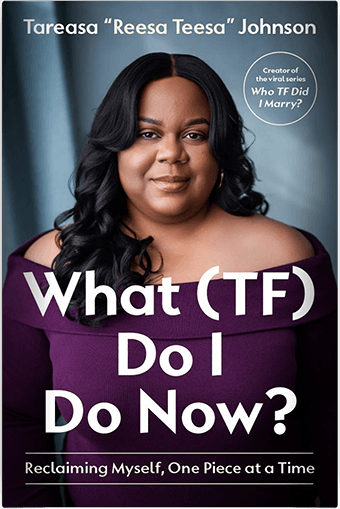
WHAT (TF) DO I DO NOW?
Reclaiming Myself, One Piece at a Time
Tareasa “ReesaTeesa” Johnson
Storehouse Voices | August 18, 2026
“There’s so much more to me than the eight hours you saw on TikTok.”
-Reesa Teesa
Watch the conversation
ReesaTeesa on What Comes After Going Viral
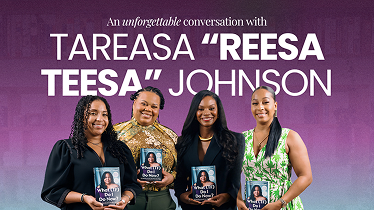
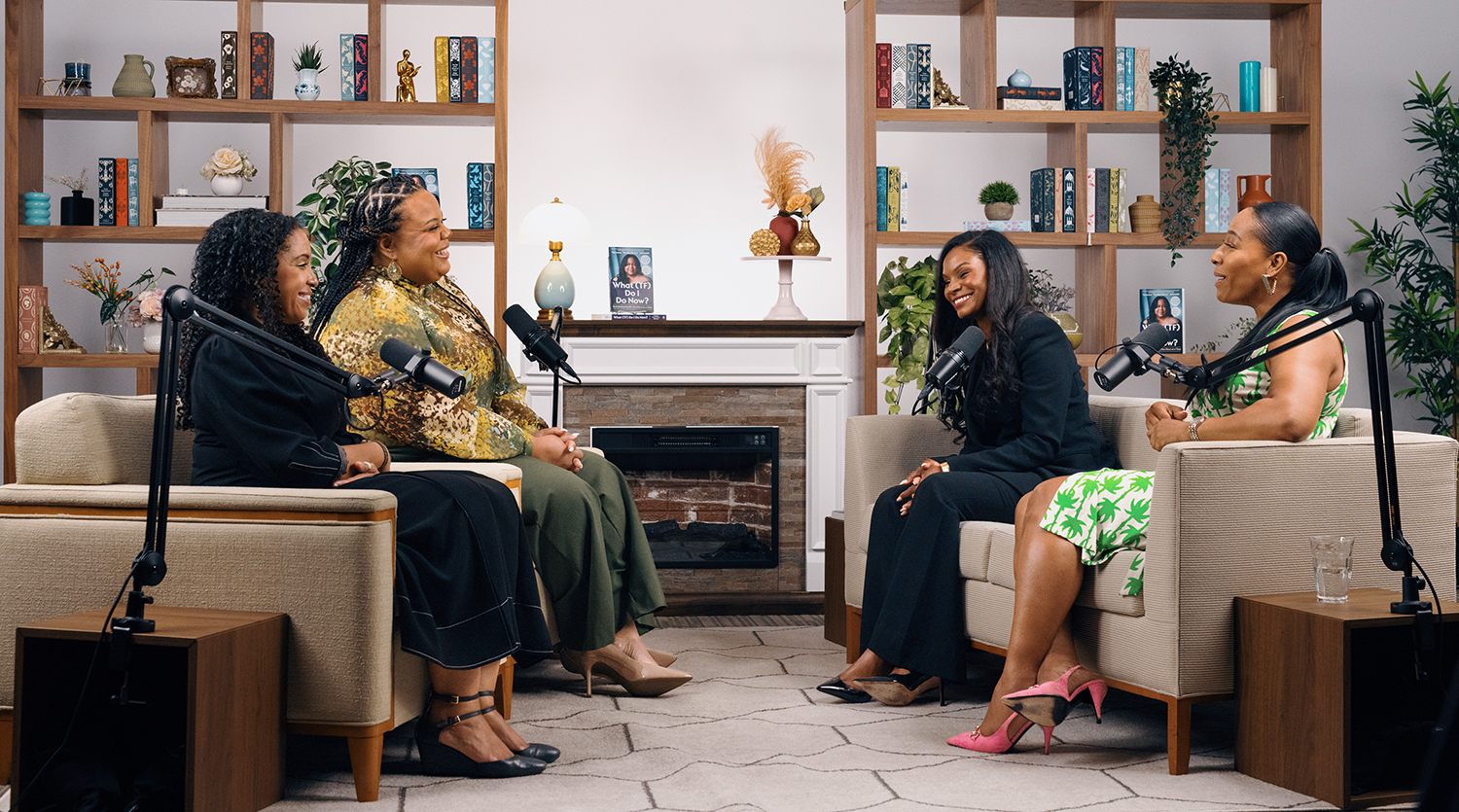
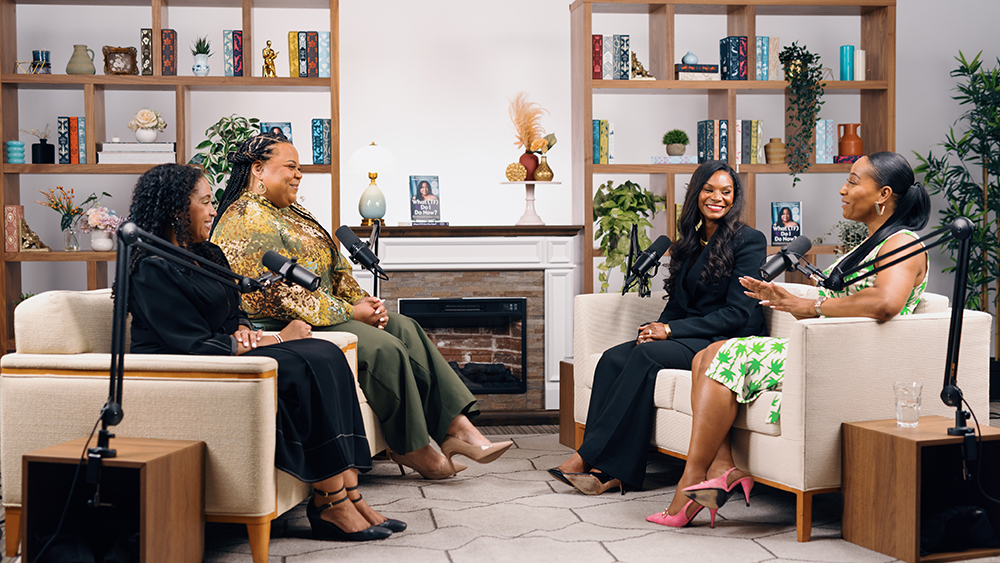
Tamira Chapman sits down with ReesaTeesa for a conversation about shame, healing, self-forgiveness, faith, ownership and learning to trust yourself again.
MORE FROM STOREHOUSE &FRIENDS

The Malcolm X You Were Never Taught
11 MIN READ
The Malcolm X You Were Never Taught
11 MIN READ
“I’m figuring things out one lesson, one day, one month, one year at a time.”
-Reesa Teesa
Her answer is unfinished. “That’s a process,” she says. Johnson says her instincts were present throughout her experiences. The problem was not that she lacked intuition.
She did not always listen to it. In the book, she describes her instinct almost as another character in her life, one with a bullhorn that she still manages to ignore. That realization has changed how she approaches relationships now. Johnson says she is deliberately more guarded because she does not want the excitement of meeting someone new to erase what she learned.
She jokes about the danger of meeting someone who gives her “butterflies and Christmas” and suddenly forgetting every lesson that came before him. So she is choosing not to rush. Her instinct, she says, is telling her she is not ready. This time, she is trying to listen.
There is something unpolished about the admission. Johnson does not present herself as a woman who endured betrayal, learned the correct lessons and emerged completely healed. She is still learning. Still questioning.
Still trying to understand why she wanted certain relationships as badly as she did. “I’m figuring things out one lesson, one day, one month, one year at a time,” she says. That may be the more difficult version of recovery. Not declaring yourself healed.
Accepting that healing can remain incomplete while life continues anyway.
Watch the conversation
ReesaTeesa on What Comes After Going Viral
Tamira Chapman sits down with ReesaTeesa for a conversation about shame, healing, self-forgiveness, faith, ownership and learning to trust yourself again.
The Book Became A Mirror
Telling the story on TikTok required vulnerability. Writing it required something else. Johnson describes working with editor Jennifer Baker, who continually pushed her beyond the version of events she already knew how to tell. On TikTok, Johnson could hold up her phone, record and move forward.
“The book is a mirror to me.”
-Reesa Teesa
No one interrupted to ask whether she had gone deep enough. A book could. Baker’s questions kept returning Johnson to places she might have preferred to leave alone. What about this?
What about that? What part did you play? Johnson says there were chapters she had to read and then simply cry. “This book had a lot more tears than the 50-part series,” she says.
The reason is simple. “The book is a mirror to me.” The distinction matters. The series focused largely on what happened.
The book required Johnson to examine herself inside what happened. There were relationships before her marriage. There was loneliness. There were choices she made because she was trying not to be alone.
And there was the uncomfortable realization that marriage itself had become something she wanted intensely enough to compromise other parts of herself. Johnson names it plainly. “I acknowledged that I’ve been a pick-me.” She wanted to be chosen as a wife.
She wanted to become the mother of someone’s children. “I wanted the ring more than anything else,” she says. Putting that on a page required a different kind of exposure than explaining someone else’s deception. The person under examination was no longer only the man who hurt her.
It was also Tareasa. That changed the work.
Forgiving The Woman Who Wanted The Ring
There is a question in the conversation that Johnson cannot answer neatly. Has she forgiven Tareasa? Some of her. Not all of her.
“I’ve forgiven Tareasa for some things. I haven’t forgiven Tareasa for everything,” she says. The admission sits at the center of the book’s larger project. Johnson has stopped treating every decision made by her younger self as something she needs to be ashamed of. In a letter to that younger version, she tells her she is proud of her.
That was a breakthrough. But self-forgiveness has limits she is still discovering. Johnson notices the small jokes she makes at her own expense. The jabs.
The moments when old judgment returns disguised as humor. Those moments tell her there is still work to do. Some things, she says, were outside her control. Others were not.
There are choices she can now look back on and say plainly, “I messed up.” The book does not ask her to erase that responsibility. It asks her to live with it differently. Johnson also writes about a previous relationship with a man she believed, completely, was the person she would spend her life with.
Writing honestly about that relationship meant acknowledging how deeply she had loved him and how much loneliness influenced other decisions in her life. She resisted including some of it. Her collaborator, Tracy, kept pushing. “This is going to free somebody,” Johnson remembers Tracy telling her.
That possibility became enough to keep writing. The vulnerability in What TF Do I Do Now? is therefore not simply the willingness to reveal embarrassing details. It is the willingness to complicate the version of yourself you would rather preserve.
“I wanted the ring more than anything else.”
-Reesa Teesa
Faith After the Life You Planned
There was once a version of adulthood Johnson imagined for herself. Marriage. Three children. A home in the suburbs of Atlanta.
That is not the life she has now. Faith, for Johnson, has become partly about accepting the distance between the life she pictured and the life that actually arrived. She can joke with God about it. “You could have taught me this lesson another way,” she says.
But beneath the humor is dependence. Johnson says she is trusting that God will make meaning out of circumstances she still does not fully understand. The publication of the book is part of that faith. “In the midst of all this chaos, I’m still going to get the glory,” she says of what she believes God is showing her. “I’m still going to use you.”
Her mother has reinforced the same idea, reminding her of biblical stories in which deeply imperfect circumstances still became useful. The language may be familiar. For Johnson, the need behind it is not. Her career now includes experiences she never prepared for.
Her name is entering rooms she never expected to enter. Her story is moving through publishing and other forms of media. She describes much of it as foreign. Faith gives her somewhere to put the uncertainty.
The dream has changed. She has not stopped believing there can still be one.
Who Owns The Story After It Goes Viral?
Virality gave Johnson an audience. It also introduced her to an industry. Suddenly, the story she had recorded on her phone had value far beyond TikTok. Offers came.
So did lessons about intellectual property, trademarks, life rights and what can happen when a creator does not understand the value of the thing she created. Johnson learned quickly. “Own your stuff,” she says. She describes discovering that some people making offers were counting on her not understanding the business.
“If you want to tell my story, I’m going to be at the table.”
-Reesa Teesa
What appeared to be an opportunity could also mean surrendering control over her own life story. Johnson decided she wanted a seat at the table whenever that story was used. Not simply consultation. Ownership. Participation. A financial stake in something being built from her experience. “If you want to tell my story, I’m going to be at the table,” she says. The book matters to her partly for that reason.
Johnson has always loved books and audiobooks. She even structured the TikTok series so listeners could move through it almost like an audiobook without needing to watch the screen. But publication represented something more permanent. “Books are forever,” she says. “And I wanted a small piece of forever.”
The statement captures how much her relationship to the story has changed. At first, she needed to get it out of her. Then the world took hold of it. Now she is deciding what form it will take, where it will live and who has the right to profit from it.
A Conversation About What Happens Next
The Storehouse & Friends conversation with Tareasa “Reesa Teesa” Johnson is not really about going viral. It is about shame. It is about loneliness. It is about faith.
It is about ownership. It is about the unsettling work of realizing that surviving someone else’s choices does not eliminate the need to examine your own. And it is about what happens when the story everyone knows about you is only one part of who you are. Johnson became known for explaining what someone else had done.
What TF Do I Do Now? turns more of the attention inward. She looks at the woman who wanted marriage badly. The woman who ignored herself.
The woman who feared being alone. The woman who told the story anyway. And the woman who is still trying to forgive all of them. Near the end of the conversation, Johnson reads a letter addressed to her 2025 self.
She remembers the different versions of the girl and woman she had been, from Willingboro, New Jersey, to Marietta, Georgia, Florida A&M University and the Georgia State Patrol. Then she considers the distance between that life and this one. “Our name is being spoken in rooms we never dreamed of,” she reads. Then comes the correction.
“Well, God did.” For someone whose public story began with discovering that the life she believed she had was not what it appeared to be, there is something fitting about refusing to pretend she knows exactly how the next chapter ends. Johnson does not have a polished answer to the question in her book’s title. She has something more believable.
She is still answering it. One decision. One truth. One day at a time.
Because sometimes the question after everything falls apart is not how you return to who you were. It is:
Who are you willing to become now that you finally see yourself clearly?

more from storehouse & friends