
CONVERSATIONS / culture / books
Colin Kaepernick Has Never Stopped Fighting
Colin Kaepernick Has Never Stopped Fighting
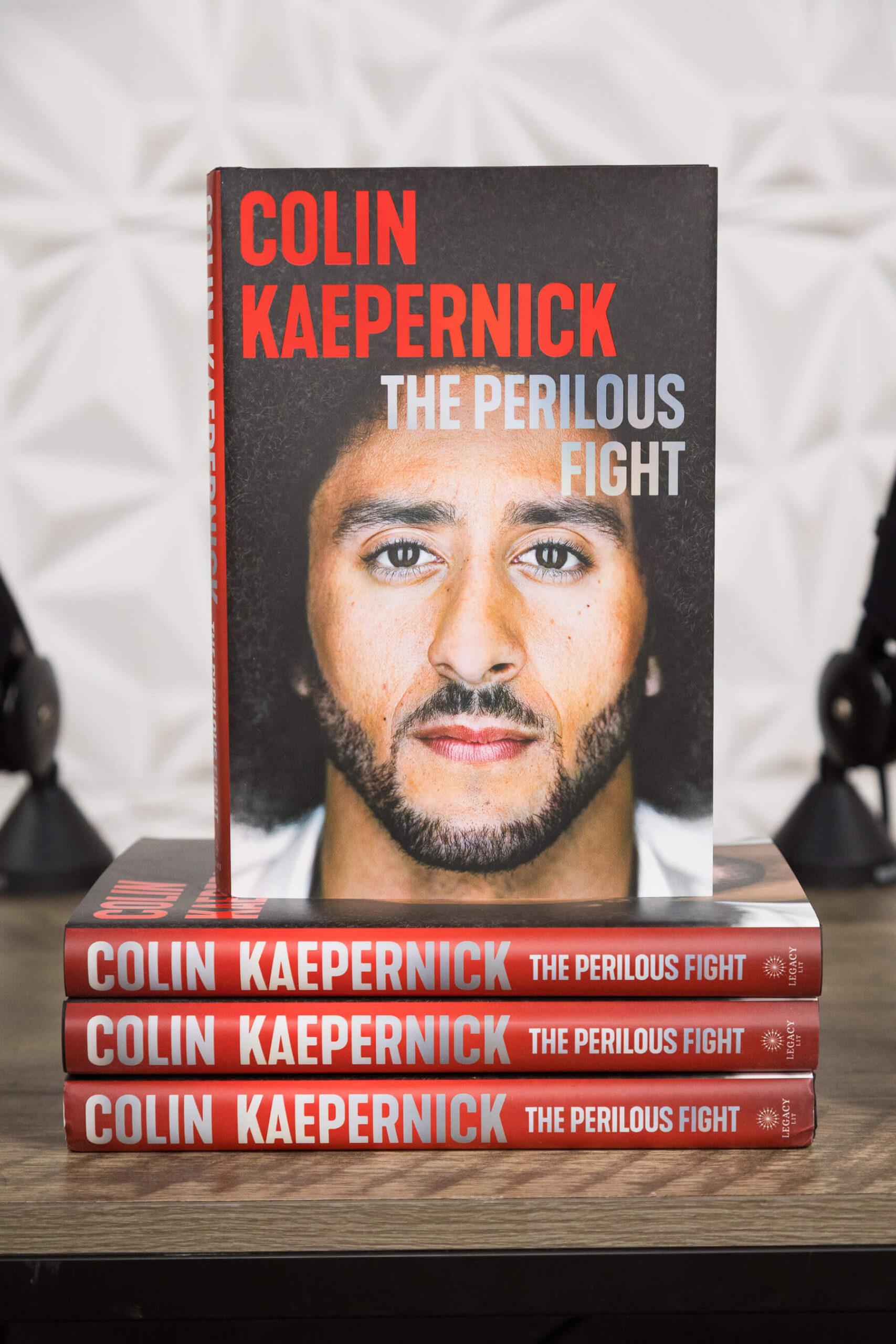
Ten years after his protest changed American sports and culture, Colin Kaepernick joins Storehouse & Friends to discuss his memoir, The Perilous Fight, and what his journey has taught him about conviction, sacrifice, institutional power and the price of standing behind what you believe.
Storehouse & Friends | September 15, 2026 | 9 min read
SHARE
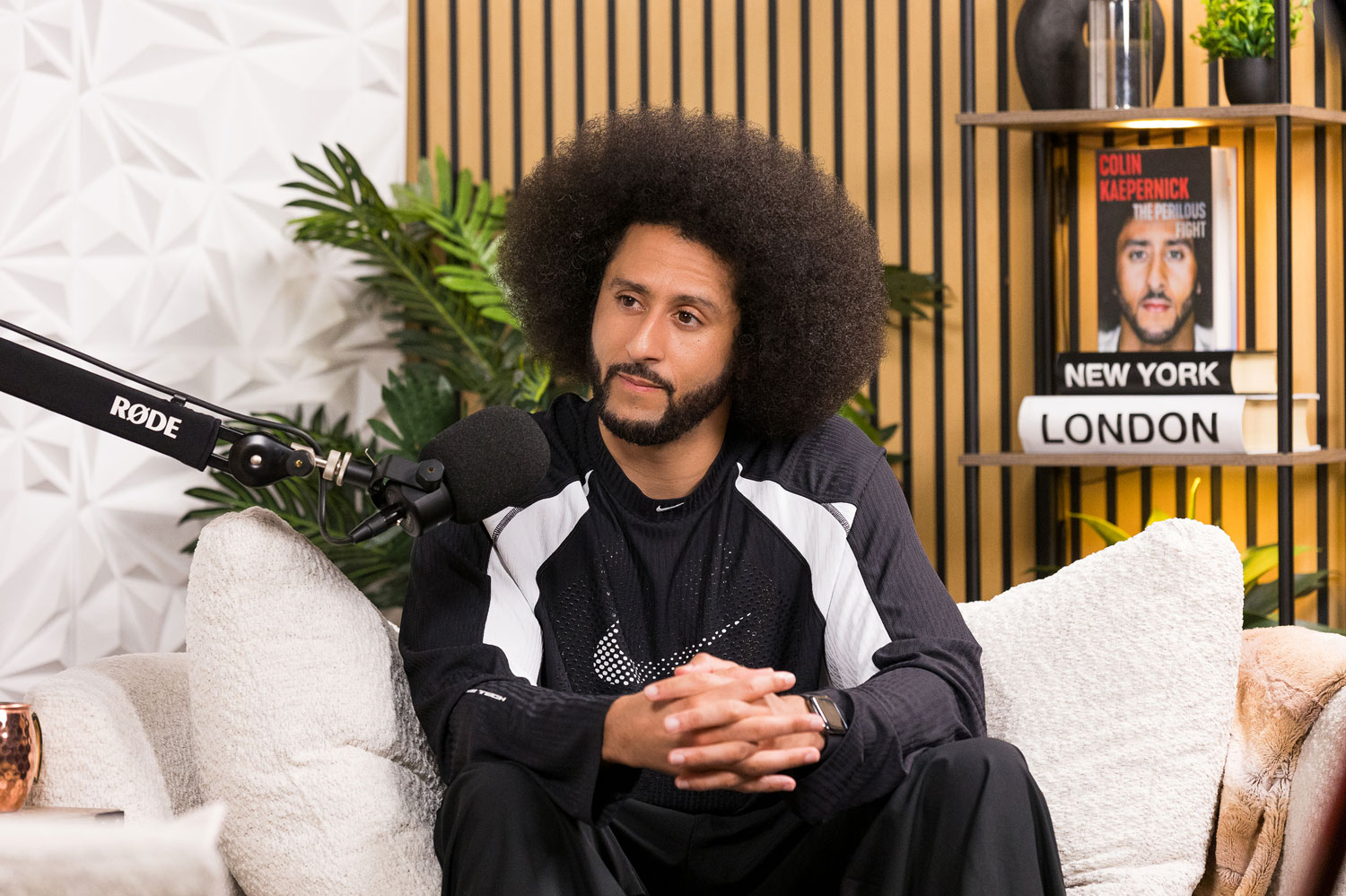
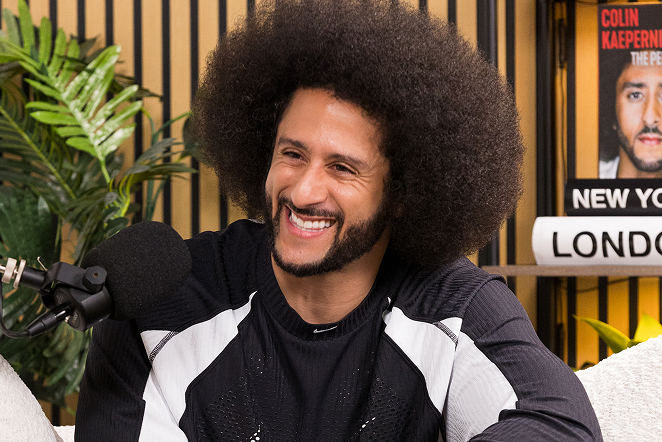
Colin Kaepernick sits down with Storehouse & Friends to discuss his memoir, The Perilous Fight, and the choices, sacrifices and convictions that shaped the decade following his protest.
There are moments when history asks a person a question before the rest of us understand that a question is even being asked. For Colin Kaepernick, one of those moments came in
2016. What began as a quiet protest during the national anthem became one of the most consequential acts of protest in modern American sports. Kaepernick took a knee to call attention to racial injustice and police brutality. The response transformed his life. A decade later, Kaepernick is still examining what happened, what it cost, and what it revealed about America.
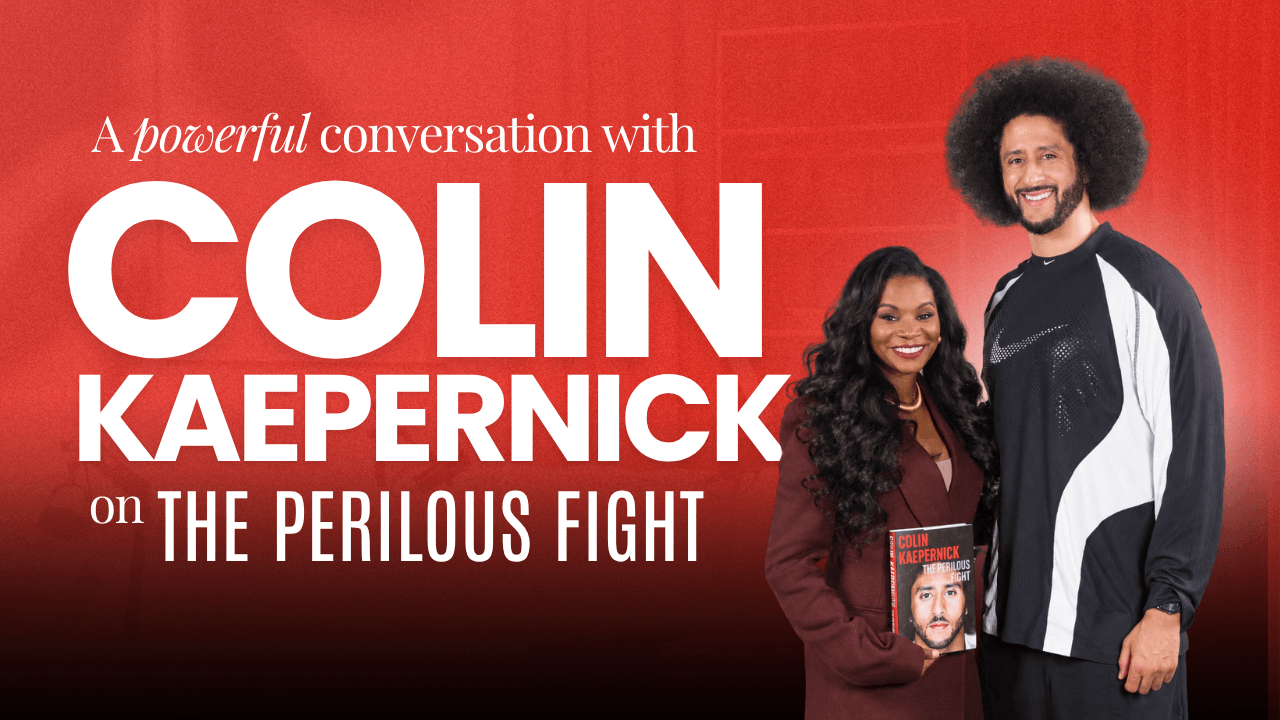
In an intimate conversation with Storehouse & Friends Publisher Tamira Chapman surrounding his new book, The Perilous Fight, Kaepernick revisits that history from a perspective few people have ever had access to: his own. The conversation moves beyond the familiar headlines and into the decisions behind them. What happens when your convictions threaten your livelihood? What happens when powerful institutions offer compromise instead of change? And how much are any of us actually willing to sacrifice for the things we say we believe?
Principles become considerably more complicated when they send you a bill.
-Storehouse & Friends
The Cost of Conviction
It is easy to celebrate courage after history has decided it was courage. Living through it is different. For Kaepernick, protest carried extraordinary consequences. His NFL career ended while he was still capable of playing at the highest level, dramatically changing both his professional trajectory and earning potential. But throughout his conversation with Chapman, another theme emerges: the financial consequences did not end
with football.
Kaepernick describes opportunities that forced him to repeatedly decide whether money could coexist with his principles. One of the most striking involved Gucci.
Kaepernick recounts plans for a significant partnership with the luxury fashion house, including a collection and substantial support for his Know Your Rights Camp. The relationship was moving forward when Gucci became engulfed in controversy over a sweater widely criticized for evoking blackface imagery.
For Kaepernick, the decision became deeply personal. Walking away meant sacrificing an extraordinary financial opportunity at a time when the economic consequences of losing his football career were already real. He walked away anyway. The story gets to the heart of The Perilous Fight: principles become considerably more complicated when they send you a bill.
“This was never about me. It was about the people whose voices who have been ignored for too long”
-Colin Kaepernick
Watch the conversation
Colin Kaepernick on
The Perilous Fight
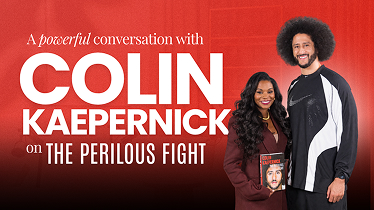
Tamira Chapman sits down with Colin Kaepernick for an intimate conversation about protest, principle, sacrifice, the NFL, institutional power and the decisions that followed one of the most consequential acts of protest in modern American sports
MORE FROM STOREHOUSE &FRIENDS

The Malcolm X You Were Never Taught
11 MIN READ
The Malcolm X You Were Never Taught
11 MIN READ
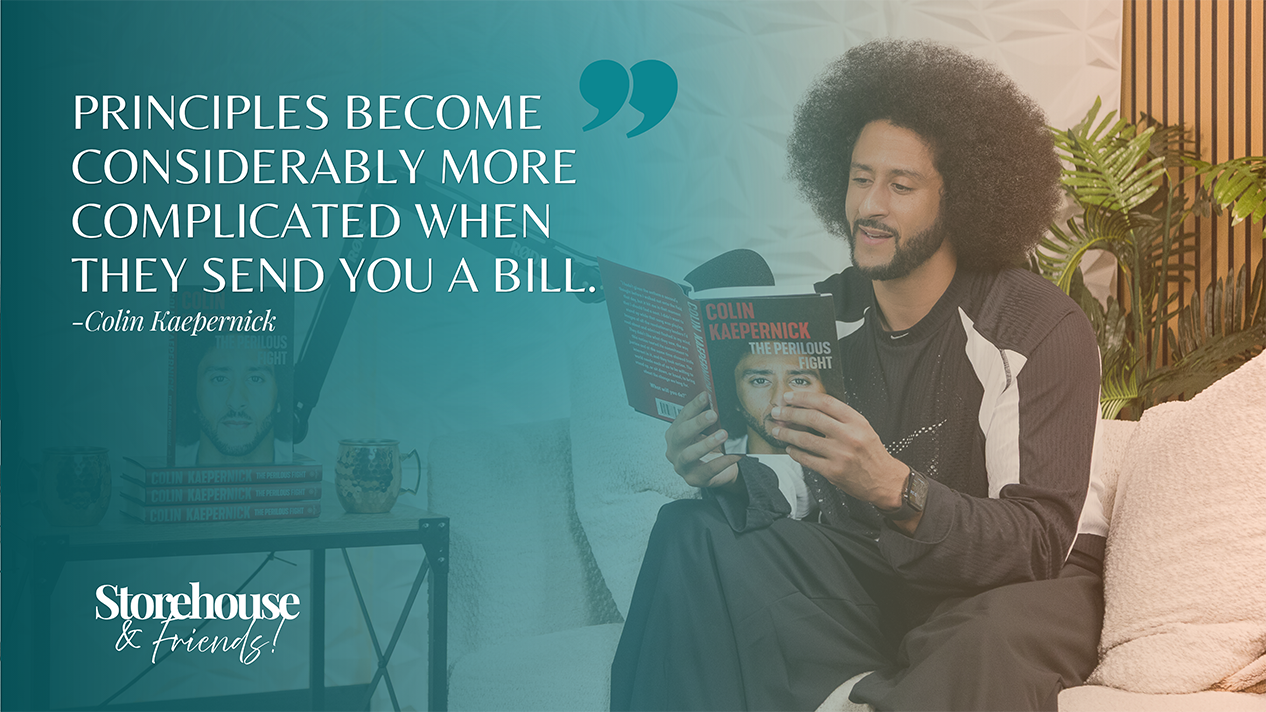
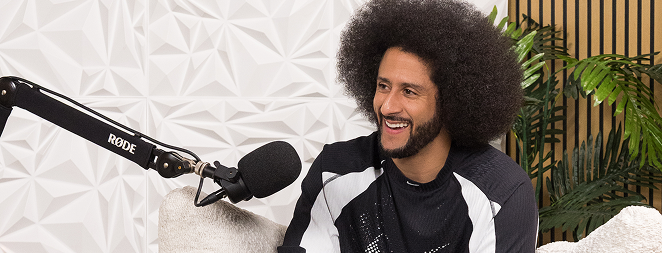
Colin Kaepernick reads from The Perilous Fight during his Storehouse & Friends conversation.
Watch the conversation
Colin Kaepernick on The Perilous Fight
Tamira Chapman sits down with Colin Kaepernick for an intimate conversation about protest, principle, sacrifice, the NFL, institutional power and the decisions that followed one of the most consequential acts of protest in modern American sports.
When Protest Meets Power
The conversation also explores one of the most debated chapters of Kaepernick’s story: the relationship between activism, the NFL, entertainment and institutional power. Kaepernick offers his recollection of private conversations and meetings that occurred as the controversy surrounding his protest intensified. Among them are encounters involving Jay-Z and Roc Nation. Kaepernick recalls initially viewing Jay-Z’s public support as meaningful. He describes reaching out after Jay-Z wore his jersey publicly and later being approached about potentially appearing during a performance.
For Kaepernick, however, the distinction between supporting a movement and turning its symbolism into entertainment mattered. He also recounts subsequent conversations with Roc Nation as his future in the NFL became increasingly uncertain, including discussions about representation and what cultural influence might mean in negotiations with the league.
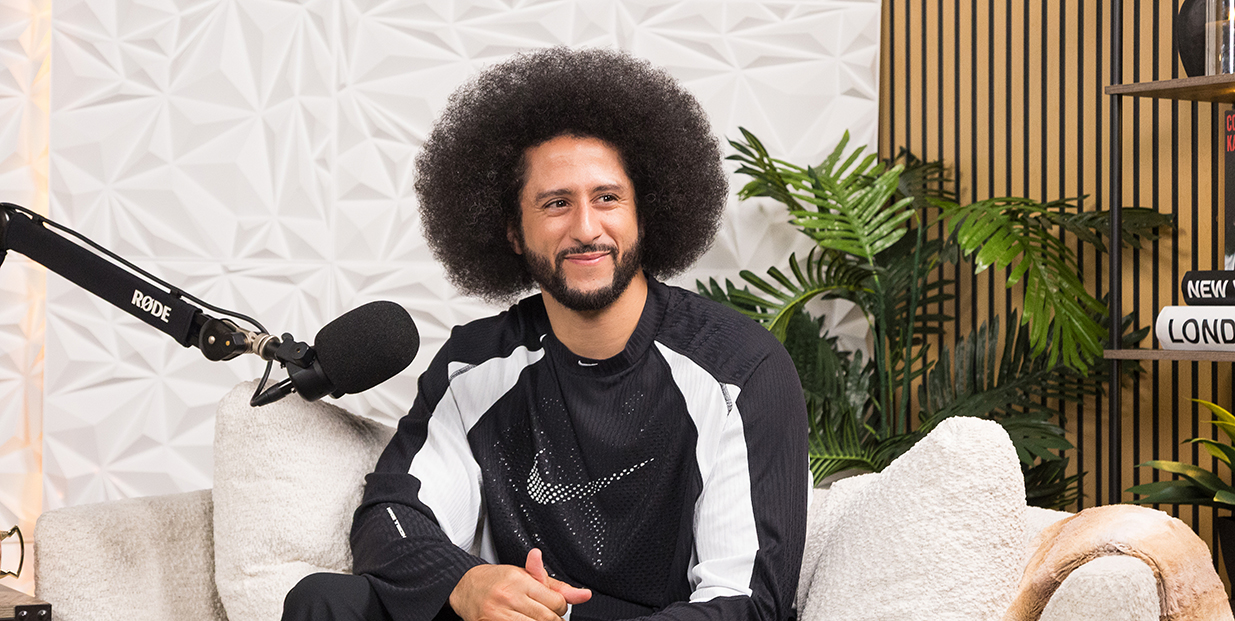
Kaepernick reflects on the relationship between activism, cultural influence and institutional power.
His telling is personal, complicated and, at times, painful. The relationship would become even more consequential when the NFL entered its partnership with Jay-Z and Roc Nation. Kaepernick describes urging Jay-Z to consider what the partnership represented while Kaepernick remained outside the league. He remembers believing that the NFL was searching for cultural credibility at precisely the moment it was facing intense criticism over its handling of his protest. The two men ultimately made different choices. Kaepernick is unsparing about how he experienced that difference. Yet the larger question raised by the conversation extends beyond either man.
“What happens when movements collide with institutions powerful enough to absorb their language, imagery and influence?
-Storehouse & Friends
The Difference Between Access and Change
Throughout the conversation, Kaepernick returns to a distinction that has followed his activism from the beginning.Representation inside an institution does not necessarily mean the institution itself has changed.Access can create influence. It can also create the appearance of progress without addressing the underlying condition that produced the protest.
That tension remains relevant far beyond professional football. Corporations, universities, media companies and other institutions continue to wrestle with questions about racial equity, representation and the commitments they made during the height of America’s racial reckoning. Kaepernick’s story asks readers to examine what happens after the statements are released, the campaigns end and public attention moves somewhere else. Who remains committed when commitment becomes inconvenient?
ACCESS IS NOT THE SAME AS CHANGE.
Kaepernick’s story raises a larger question about whether representation inside an institution necessarily means the institution itself has changed.
What Are You Willing to Lose?
One of the most compelling elements of Kaepernick’s story is that his decisions cannot be separated from their consequences.There was money he did not earn. There were opportunities he did not accept. There was a career he did not get back. There were relationships that changed. And there were years during which the world debated his motives while he lived with the consequences of the decision that started it all.
That makes his story more complicated than the mythology that can eventually surround public figures. It is one thing to say you would stand on principle. It is another thing to watch millions of dollars disappear and continue standing there.During his conversation with Chapman, Kaepernick makes clear that those sacrifices were not theoretical. He understood what he was giving up. He made the decisions anyway.
“The knee was a moment. The decisions that followed became a life.”
-Storehouse & Friends
Beyond the Knee
Nearly a decade after Kaepernick first knelt, the image remains one of the defining symbols of protest in American sports. But The Perilous Fight asks readers to look beyond the image. The knee was a moment. The decisions that followed became a life.
Kaepernick’s work through the Know Your Rights Camp, his writing and his continued engagement with questions of race, power and institutional accountability suggest that he never understood his protest as a single act. For him, the fight continued after the cameras moved elsewhere.That may ultimately be the more difficult form of resistance. Not the moment everyone sees. The choices made afterward, when fewer people are watching
A Conversation About More Than Football
The Storehouse & Friends conversation with Colin Kaepernick is not really about football. It is about power. It is about money. It is about race. It is about the compromises institutions ask people to make in exchange for access. And it is about the uncomfortable distance between admiring someone’s courage and being willing to pay the price that courage sometimes requires. Kaepernick has spent years being interpreted by other people. In The Perilous Fight, he takes greater control of that story. And in his conversation with Storehouse & Friends, he explains what some of those decisions looked like from the chair in which he was actually sitting.
The result is not a neat story about heroes and villains. It is something more useful. It is an invitation to consider the decisions we make when our values finally cost us something. Because eventually, conviction asks a question of all of us: What are you willing to give up for what you say you believe?
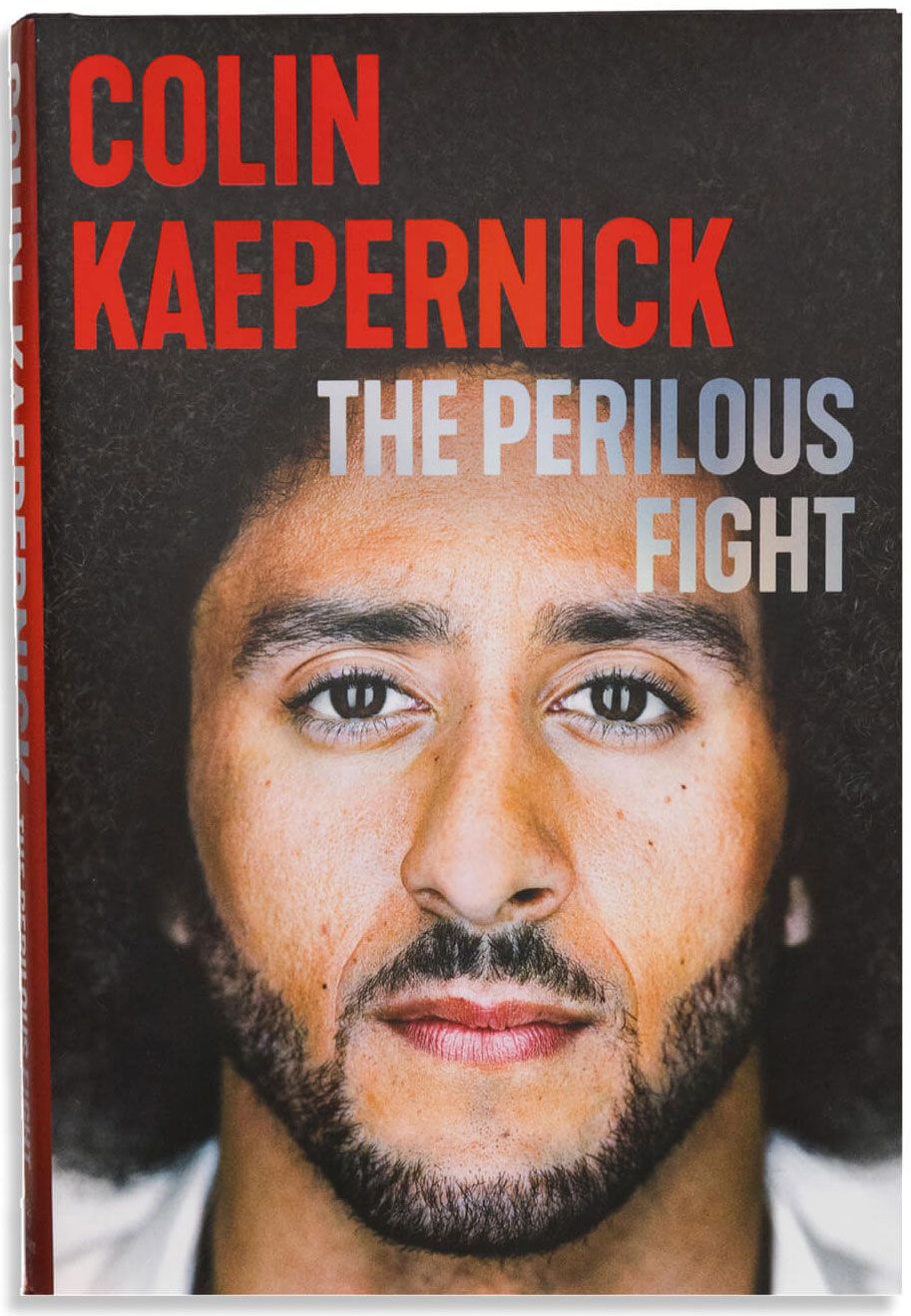
Watch Tamira Chapman’s full conversation with Colin Kaepernick on Storehouse & Friends. Colin Kaepernick’s The Perilous Fight is available wherever books are sold.
”What are you willing to give up for what you say you believe?
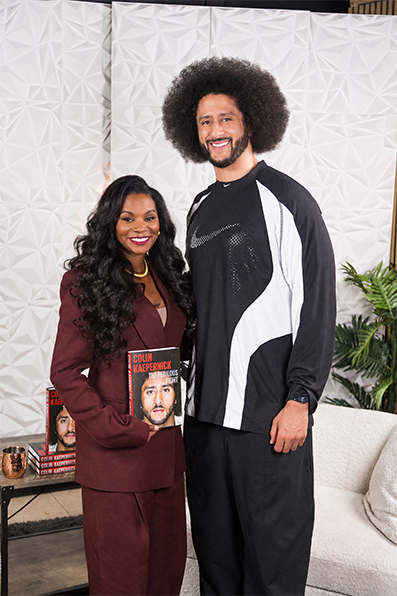
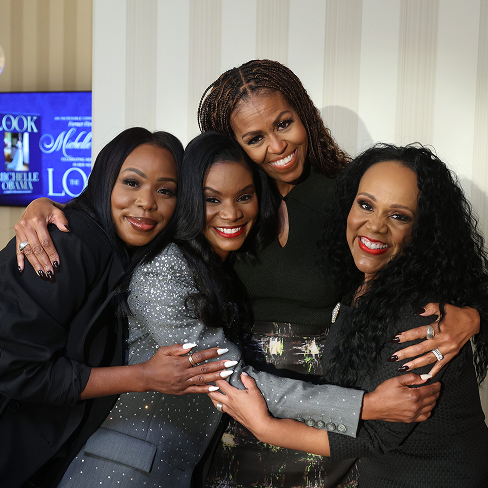
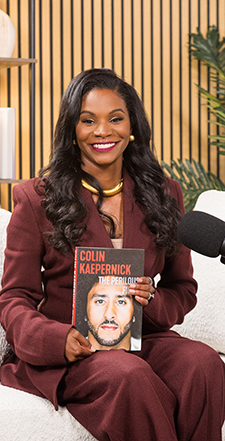
Tamira Chapman and Colin Kaepernick following their Storehouse & Friends conversation about The Perilous Fight.
Watch Tamira Chapman's full conversation with Colin Kaepernick.
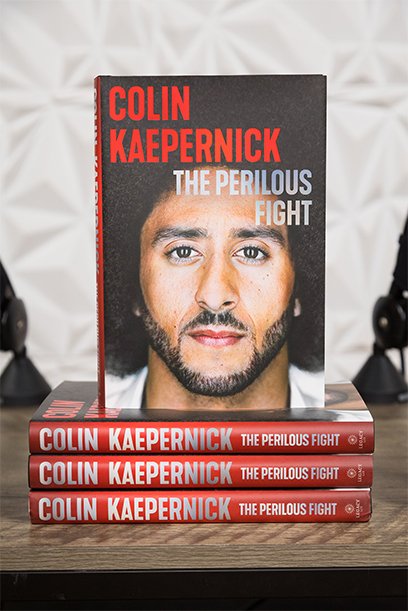
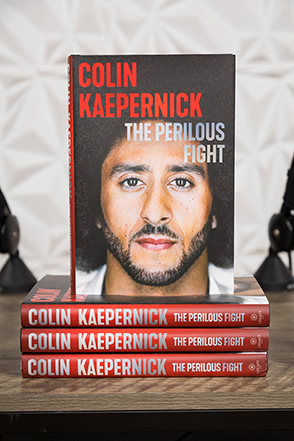
win a signed copy
Colin Kaepernick Signed 50 Copies of The Perilous Fight. We're Giving Them Away.
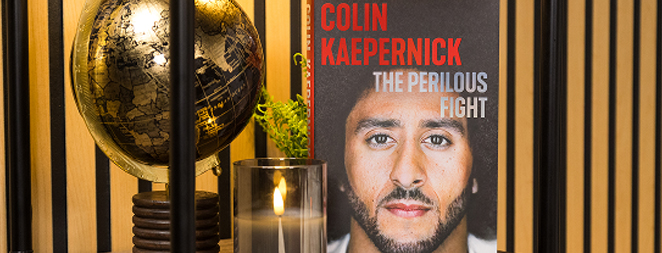
To celebrate Colin Kaepernick’s conversation with Storehouse & Friends, 50 readers will receive a signed copy of The Perilous Fight. Enter below for your chance to win.
See official rules to enter, here.